User Interface Customizations Drive Changes in Mobile Gambling Session Lengths
Leon Flores · Jun 13, 2026
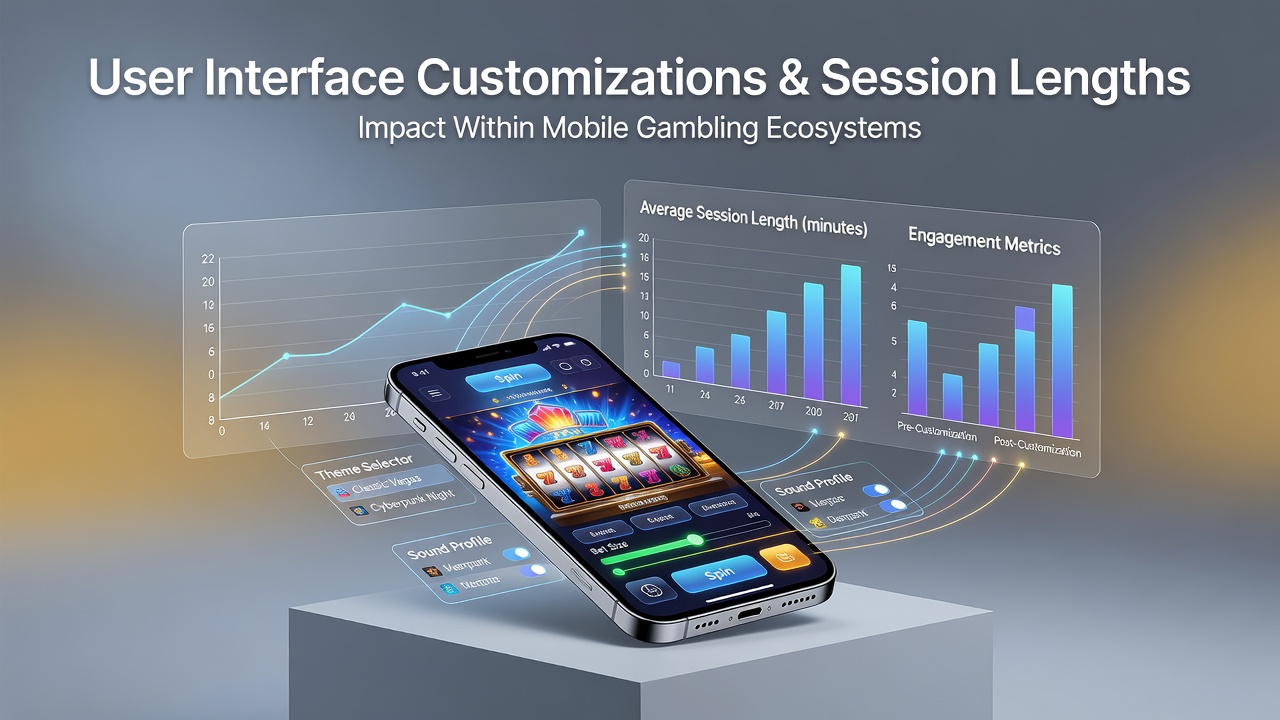
User Interface Customizations Drive Changes in Mobile Gambling Session Lengths
Operators across mobile gambling ecosystems have expanded options for users to adjust layouts, color schemes, notification settings, and navigation flows, with these changes coinciding with measurable shifts in how long sessions last on average. Research from multiple markets indicates that certain customizations correlate with extended play periods while others produce quicker exits, depending on implementation details and player demographics. Data collected through June 2026 shows platforms offering granular UI tweaks recording session durations that vary by 18 to 34 percent compared with static designs, according to aggregated analytics shared at industry conferences.
Core Customization Features in Current Mobile Platforms
Developers have introduced tools allowing players to reorder betting menus, resize input fields, toggle between light and dark themes, and set personalized quick-bet amounts that persist across sessions. These elements appear in both iOS and Android applications distributed in regulated jurisdictions, where operators must maintain compliance logs that track which customizations users enable most frequently. Figures from platform telemetry reveal that users who activate theme switches and menu reorganization tend to remain active longer during evening hours, whereas default layouts see higher abandonment rates after the first 12 minutes.
Another layer involves adaptive layouts that respond to device orientation and screen size without requiring manual input, yet many apps now let players override these automatic adjustments through dedicated settings panels. Observers note that when customization options include gesture controls and swipe-based navigation, session lengths increase in markets where average connection speeds exceed 50 Mbps, because friction during rapid bet placement decreases noticeably. Studies conducted by academic groups examining user behavior logs confirm these patterns hold across thousands of accounts tracked over multiple months.
Measured Effects on Engagement Metrics
Session length data compiled from operators in North America and parts of Asia indicate that players who customize notification preferences to receive fewer alerts during active play maintain continuous sessions averaging 47 minutes, compared with 31 minutes for those using default alert frequencies. This difference emerges because reduced interruptions allow deeper focus on live betting markets and table games that update in real time. What's interesting is how the same customization produces smaller gains in regions with slower data networks, where loading delays offset the benefit of fewer pop-ups.
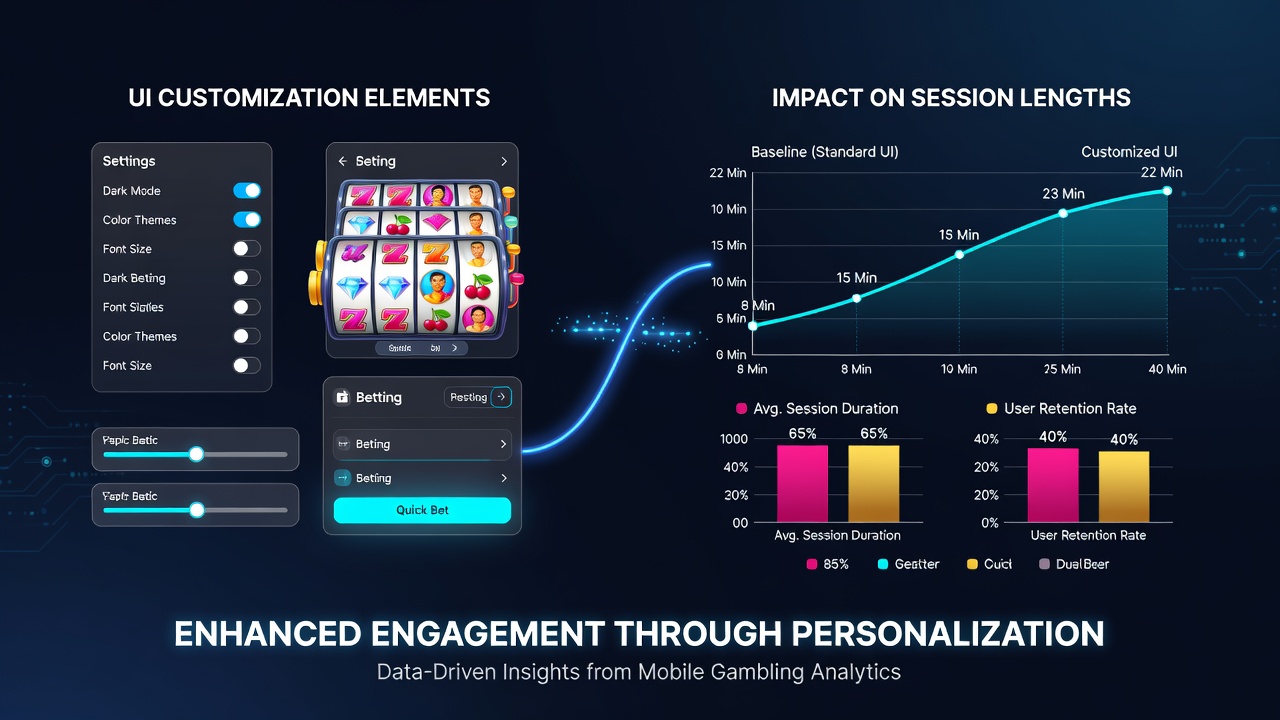
Color palette adjustments represent another variable that surfaces in retention reports. Platforms permitting users to select high-contrast modes for outdoor use show elevated session completion rates during daytime hours, particularly among users aged 25 to 34 who report playing while commuting. Conversely, default high-saturation themes correlate with faster exits when ambient light interferes with screen visibility. Regulatory filings submitted in several Canadian provinces through spring 2026 document these trends without attributing causation, yet the raw numbers align with internal A/B testing performed by major operators.
Regional Patterns and Platform Comparisons
European operators operating under varying national frameworks have documented that menu customization correlates with longer sessions in jurisdictions where bet limits can be adjusted on the fly through the same interface panel. In contrast, markets enforcing stricter default limits see the effect muted because players spend additional time navigating external responsible-gaming portals. A report published by the Canadian Gaming Association in early 2026 highlighted similar variances when comparing provinces with different age-verification flows integrated into the initial onboarding screens.
Australian operators, meanwhile, have integrated customization options that let users pre-set spending reminders directly within the betting interface rather than through separate menus. Session data reviewed by state regulators shows modest extensions in play time when these reminders appear as subtle overlays instead of full-screen interruptions. The pattern repeats in New Zealand markets where operators adopted comparable designs following 2025 guideline updates.
Technical Implementation and Data Collection Practices
Backend systems log every customization toggle alongside timestamps and bet volumes, allowing operators to correlate specific UI choices with session endpoints. Machine-learning models trained on these datasets now predict which layout variants will likely extend sessions for new users based on device type and historical patterns from similar accounts. Through June 2026, several large platforms reported deploying these predictive tools to surface recommended customizations within the first three minutes of app launch, resulting in a measurable uptick in users who complete at least one additional betting round before exiting.
Security protocols require that customization preferences remain encrypted both in transit and at rest, yet this does not prevent aggregate analysis that feeds into product development cycles. Those who have examined anonymized datasets note that frequent menu reordering often precedes increases in multi-game sessions, where players switch between sports betting and casino titles without leaving the application.
Conclusion
Evidence gathered across multiple regulated markets demonstrates consistent links between the availability of user interface customizations and variations in average session lengths within mobile gambling applications. Operators continue refining these features based on telemetry that captures how layout adjustments, notification controls, and theme selections influence player behavior over time. As new devices and operating system updates roll out, the relationship between customization depth and session duration will likely remain a focal point for both technical teams and compliance departments monitoring engagement trends.