Tracing Influences of Verification Protocols on Session Continuity Across Multi-Platform Wagering Services
Leon Flores · Aug 15, 2026
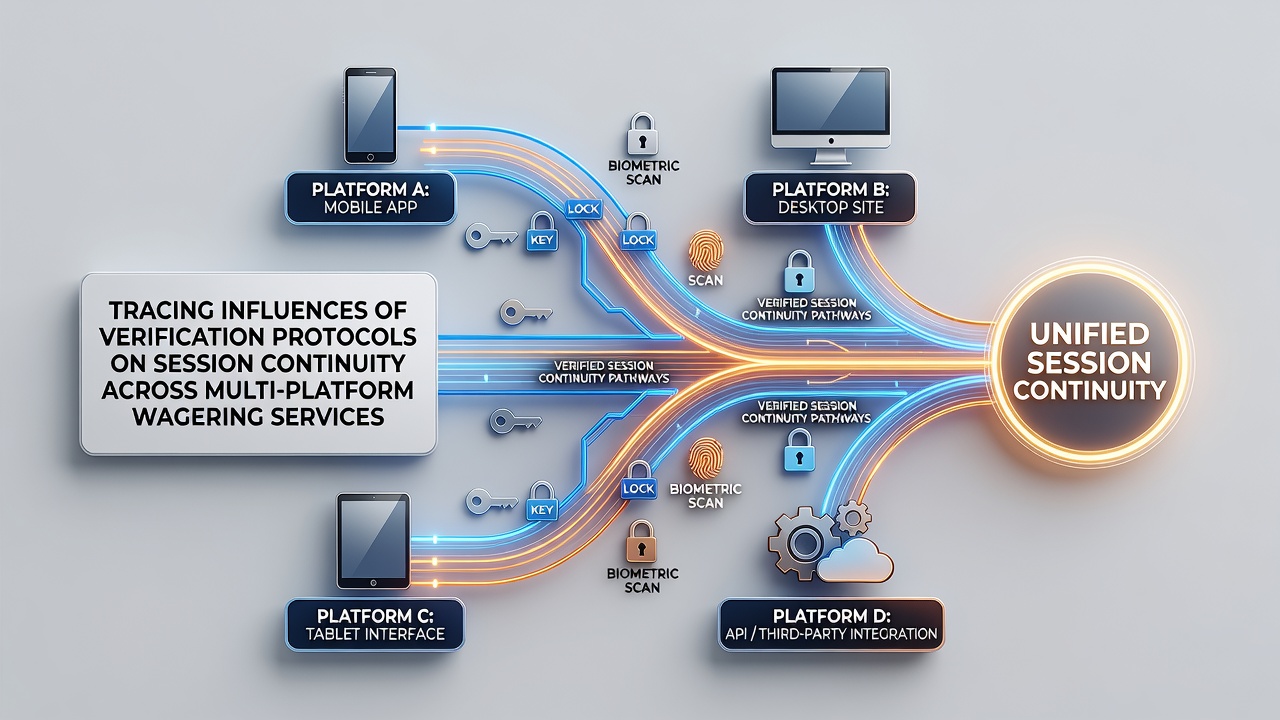
Tracing Influences of Verification Protocols on Session Continuity Across Multi-Platform Wagering Services
Verification protocols in multi-platform wagering services require identity confirmation, age validation, and compliance checks that users encounter at login, during deposits, or when accessing new features, and these steps create measurable effects on how long sessions remain active without interruption. Operators integrate systems that pull data from government databases or third-party services, yet the process often demands additional user input which can pause activity across connected devices. Data collected in August 2026 shows that platforms handling cross-device access record higher rates of session drops when verification repeats within short timeframes, particularly when users move from desktop to mobile applications.
Core Components of Verification Protocols
Standard verification layers include document uploads for identity, biometric options where available, and automated cross-checks against regulatory lists, all of which operate under frameworks set by regional authorities. These components function differently depending on whether the service runs on a single platform or spans multiple environments, and synchronization gaps between systems frequently force repeated prompts. Researchers tracking user flows have observed that protocols using real-time API connections reduce some delays, while those relying on manual review extend the time users spend away from active betting interfaces.
Session Continuity Challenges in Cross-Platform Environments
Session continuity refers to the ability of a user to maintain an active state without re-authentication when switching between web browsers, dedicated apps, and tablet interfaces, yet verification protocols can break this chain by treating each device as a new entry point. Studies from academic institutions reveal that verification events occurring at platform transitions account for a notable portion of abandoned sessions, especially during live events where timing matters. When protocols require fresh confirmation for each device even after initial approval on one, the result appears in shorter overall engagement periods according to aggregated platform metrics.
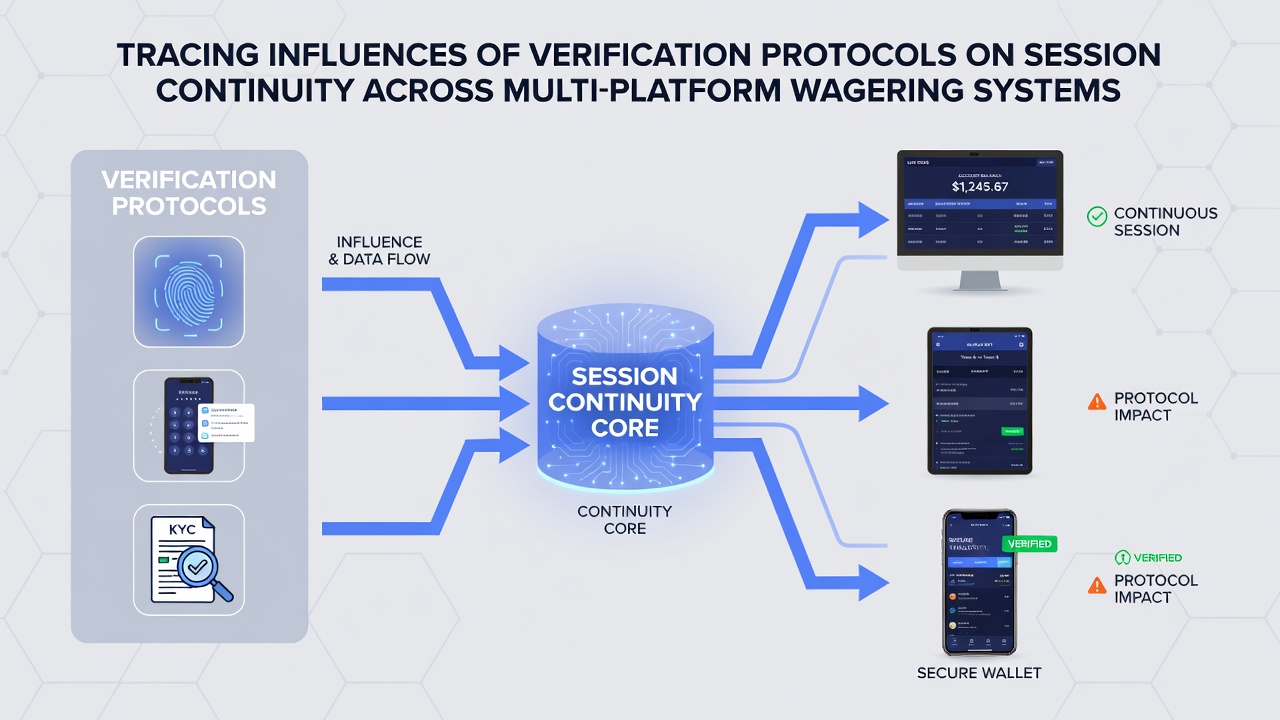
Multi-platform operators address these issues through shared token systems and persistent session cookies that carry verification status forward, although regulatory requirements in certain jurisdictions limit how long such tokens remain valid. In August 2026, updates to compliance rules in several markets prompted services to add extra checks at high-value transaction points, and those additions correlated with measurable dips in continued play across devices. Operators that implemented unified verification databases reported smoother transitions, while others relying on separate platform-specific processes saw more frequent interruptions.
Regional Regulatory Influences on Protocol Design
Authorities in different regions set distinct rules for how often and under what conditions verification must occur, which directly shapes session management strategies for operators serving international users. A report from the Alcohol and Gaming Commission of Ontario outlines requirements for periodic re-verification tied to account activity levels, and similar patterns appear in other licensing areas. These rules force platforms to balance security demands against the goal of uninterrupted access, leading some services to develop predictive models that anticipate verification needs before they disrupt ongoing sessions.
Another source of guidance comes from industry research compiled by the University of Nevada Gaming Research Center, where analysts examined how protocol timing affects user retention across device types. Their findings indicate that services using adaptive verification, which skips redundant checks for previously confirmed accounts, maintain longer active periods during cross-platform use. Platforms operating under stricter re-verification schedules, by contrast, show patterns of users completing initial setup on one device and then limiting activity to that single environment to avoid further prompts.
Technical Approaches to Maintaining Continuity
Technical solutions include encrypted session tokens that travel with the user account, cloud-based verification status storage, and device fingerprinting that recognizes returning hardware without new document requests. These methods allow operators to reduce repeated interruptions, yet they must still comply with data protection standards that vary by region and sometimes conflict with continuity goals. Observers note that services investing in backend synchronization achieve better results when users switch platforms mid-session, whereas fragmented systems continue to generate friction at each transition point.
Conclusion
Verification protocols continue to shape session continuity in multi-platform wagering services through their timing, synchronization methods, and alignment with regulatory standards across regions. As operators refine token systems and database sharing in response to 2026 compliance updates, the patterns observed in session length and device switching provide concrete indicators of protocol effectiveness. Those who monitor these interactions can trace direct connections between verification design choices and the stability of user activity across environments.