The Influence of Loyalty Tier Systems on Session Extension Tactics in Multi-Game Betting Environments
Leon Flores · Aug 12, 2026
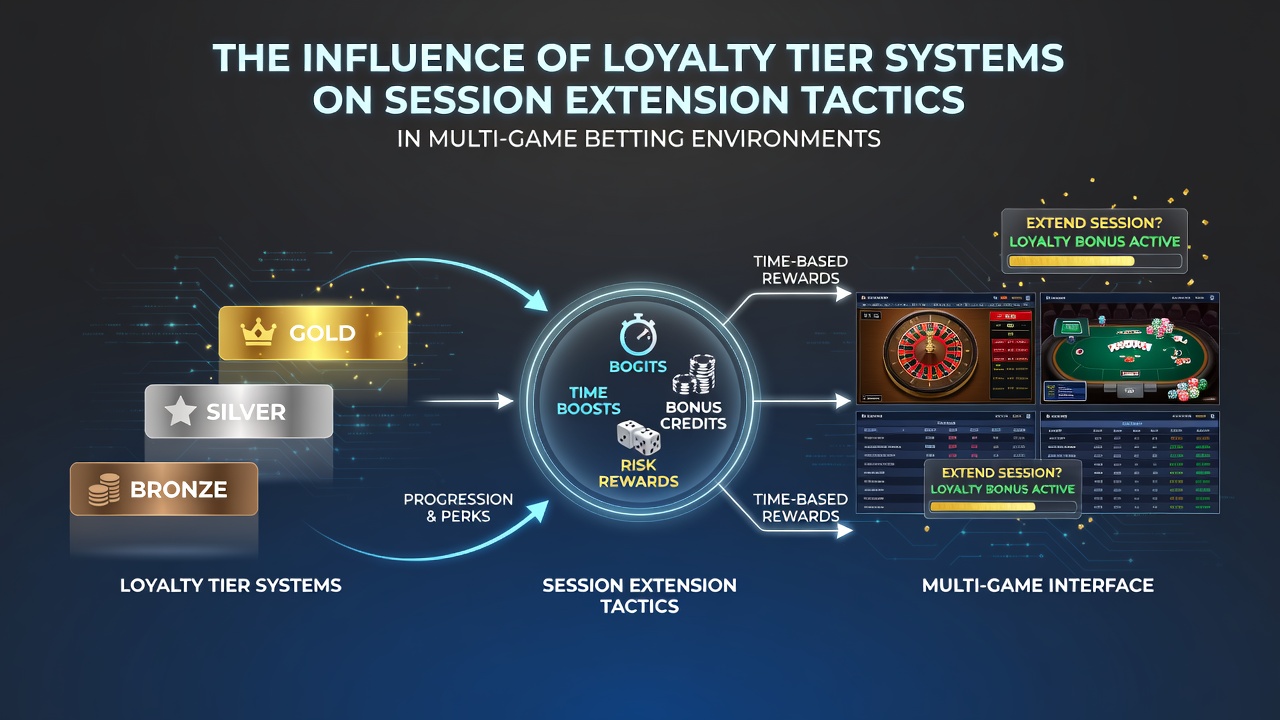
The Influence of Loyalty Tier Systems on Session Extension Tactics in Multi-Game Betting Environments
Loyalty tier systems in multi-game betting environments structure rewards around accumulated play across sportsbooks, casino tables, and live dealer options, and operators track points from each vertical to determine tier status. These programs assign benefits such as enhanced payout speeds, exclusive game access, and personalized challenges that encourage continued activity within a single session. Data from industry reports indicate that players who enter higher tiers maintain longer average session times compared with those in entry-level categories, because point multipliers and tier-specific promotions activate only after sustained engagement.
Mechanics of Tier Progression Across Game Types
Operators calculate loyalty points through a combination of wager volume, game variety, and time spent, so a participant who switches from sports betting to slot machines within the same login receives combined credits toward the next tier. This cross-category accumulation creates incentives for session extension because reaching silver or gold status often unlocks features like reduced house edges on table games or boosted odds on live events. Research from the University of Nevada Reno shows that integrated point systems across multiple verticals correlate with a 22 percent increase in total session duration among tracked accounts during 2025 testing periods.
August 2026 figures from the Nevada Gaming Control Board reveal that platforms offering tiered loyalty structures reported higher retention rates in multi-game formats than single-vertical sites, as users pursued milestones that spanned sports and casino offerings. Observers note that these systems rely on real-time dashboards displaying progress bars, which update after each completed round or bet and prompt additional activity to close gaps before logout.
Session Extension Tactics Linked to Tier Benefits
Multi-game environments deploy targeted promotions that activate only after a player reaches specific tier thresholds, and these include time-limited multipliers for switching between poker, blackjack, and sports wagers. Tactics such as streak challenges reward consecutive hours of play across different categories, while daily login bonuses compound when users maintain active sessions that contribute points from varied sources. Evidence from operator analytics indicates that participants who receive tier advancement notifications mid-session extend their time online by an average of 18 minutes to secure the new benefits before the period resets.
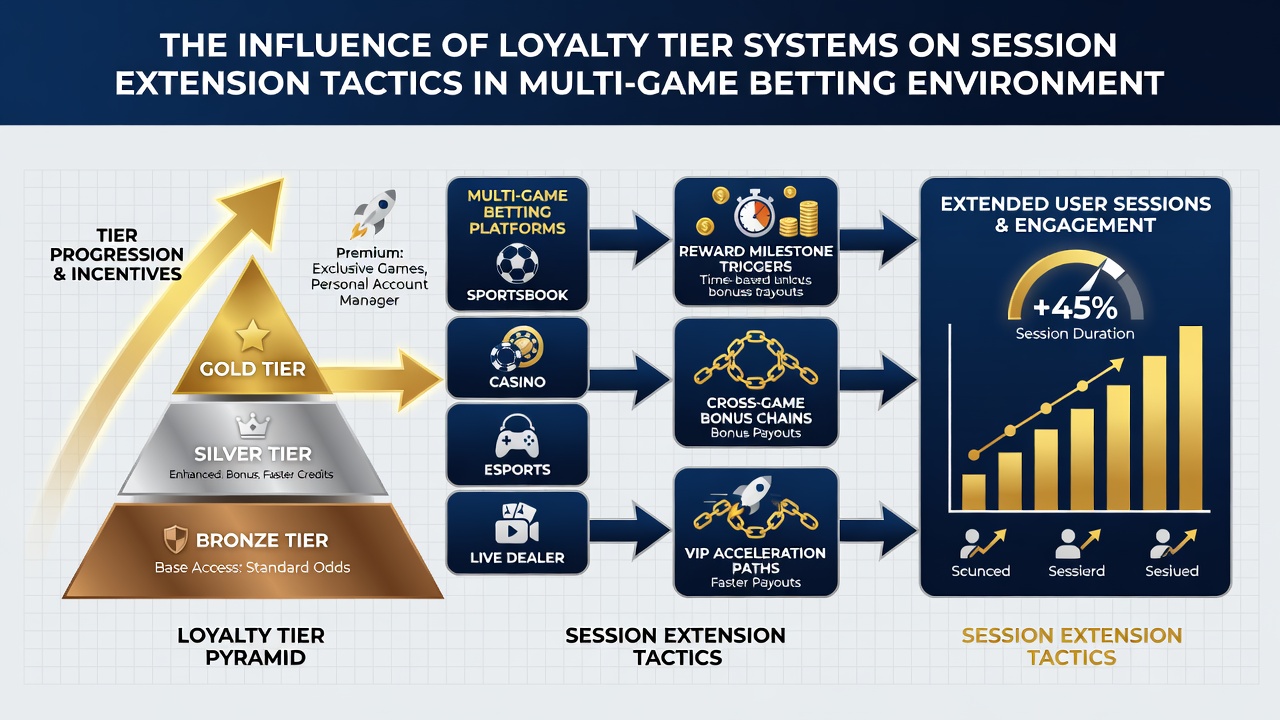
Those who study player behavior patterns have documented how loyalty interfaces display upcoming rewards that require cross-game participation, which in turn discourages early exits. Platforms integrate these displays with push notifications that highlight remaining points needed for tier upgrades, and such alerts arrive after users pause activity in one vertical but remain logged in. The American Gaming Association reports that operators in multiple jurisdictions recorded measurable lifts in session length following the introduction of unified loyalty ledgers that span sports and casino products.
Regional Data and Platform Comparisons
Analyses from the Australian Communications and Media Authority document similar patterns in licensed online wagering services, where tiered programs tied to multi-game play produced extended session metrics during peak evening hours. Canadian provincial regulators likewise track how loyalty structures influence time-on-device across integrated betting and gaming apps, with higher-tier users showing greater willingness to explore new game types within ongoing sessions. These findings align with internal platform data that attributes session growth to the visibility of tier progress and the immediate applicability of earned perks across categories.
What's interesting is how smaller operators replicate these mechanics through partnerships with payment processors that facilitate seamless point transfers, allowing users to carry loyalty status between affiliated sites without resetting progress. Such arrangements appear in markets where regulatory frameworks permit shared customer databases, and they contribute to longer combined sessions as players chase tier milestones across partner environments.
Conclusion
Loyalty tier systems shape session extension tactics in multi-game betting environments by linking rewards directly to sustained, varied participation, and available data from regulatory bodies and academic sources confirm measurable impacts on user duration. Platforms continue to refine these structures through real-time tracking and cross-vertical incentives, which maintain consistent engagement patterns across different jurisdictions and operator scales.