Sponsorship Partnerships Between Gambling Companies and Sports Teams Expand Across Global Leagues
Rosa Sullivan · Jul 29, 2026

Sponsorship Partnerships Between Gambling Companies and Sports Teams Expand Across Global Leagues
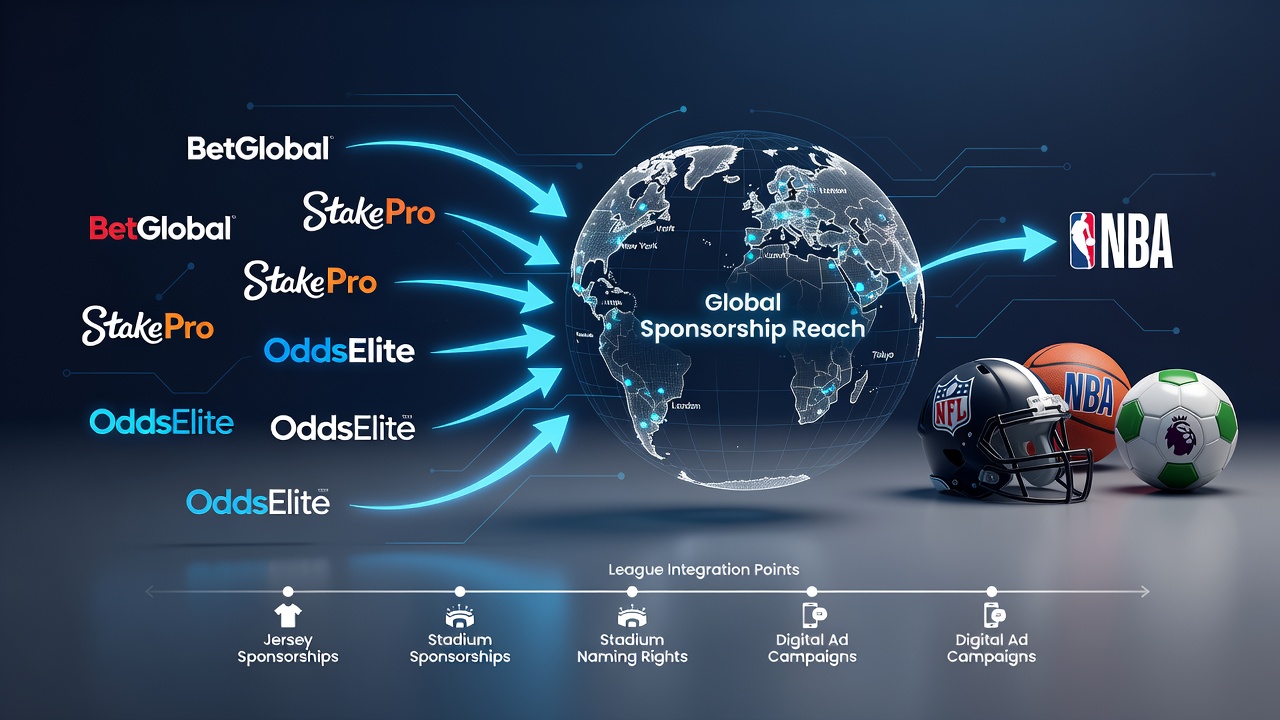
Data from industry tracking services shows that betting firms secured over 180 active sponsorship agreements with professional sports organizations worldwide by the start of 2026, with new contracts signed in July 2026 extending coverage into additional North American and European leagues. These partnerships typically include logo placements on jerseys, arena signage, and digital promotions that reach millions of viewers during live broadcasts. Observers note that major leagues such as the NBA, NFL, and several international soccer competitions outside the UK have integrated these arrangements into their standard revenue streams, while data indicates the total value of such deals surpassed $2.8 billion in the previous fiscal year.
Expansion Patterns in North American Professional Leagues
The NBA maintains partnerships with multiple operators including FanDuel and DraftKings, whose branding appears during regular season games and playoff events, whereas the NFL extended similar arrangements to state-licensed platforms following regulatory changes that took effect in 2023. Research compiled by the American Gaming Association reveals that 28 of the 30 NBA franchises carried at least one betting-related sponsor during the 2025-2026 season, and figures show comparable penetration rates in Major League Baseball where 24 teams featured such affiliations on their official channels. Those who've examined league filings observe that these agreements often bundle media inventory with data-sharing provisions, allowing operators to promote in-game betting options directly to audiences in permitted jurisdictions.
International Soccer and Other Global Competitions
Leagues in Australia, Canada, and parts of continental Europe demonstrate similar integration, with organizations such as the Australian Football League and several Canadian hockey franchises securing deals that extend into July 2026 renewal cycles. A study released by the University of Sydney's gambling research unit found that sponsorship visibility in Australian sports broadcasts increased by 34 percent between 2022 and 2025, while parallel patterns emerged in Canadian leagues where provincial regulators approved expanded advertising frameworks. These arrangements frequently encompass digital platforms and stadium activations that connect fans with betting apps during matches, and evidence suggests the reach extends beyond live events into merchandise and social media campaigns.
Revenue Contributions and Organizational Structures
League financial reports indicate that sponsorship income from betting entities now accounts for between 8 and 15 percent of total commercial revenue for several mid-sized organizations, funding player development programs and facility upgrades in the process. Experts at industry conferences have documented how these funds flow through structured agreements that specify activation rights, content creation responsibilities, and performance metrics tied to viewership data. One analysis of contract filings showed that multi-year deals signed in early 2026 averaged 3.2 years in duration with annual values ranging from $4 million to $22 million depending on market size and media exposure levels.
Regulatory Oversight and Compliance Requirements
Government agencies in the United States and Australia enforce disclosure rules that require leagues to report sponsorship details annually, and recent updates issued in July 2026 clarified standards for responsible messaging within these partnerships. The National Council on Problem Gambling maintains records showing that 17 U.S. states currently impose specific content guidelines on betting advertisements during sports events, while Australian state authorities apply similar restrictions through their respective gaming control boards. Those monitoring compliance note that operators must include age-verification prompts and problem-gambling helpline references in all sponsored materials distributed through league channels.
Future Trajectories and Market Developments
Market projections compiled by research firms anticipate continued growth through 2027 as additional jurisdictions finalize licensing frameworks, yet observers point to ongoing negotiations between leagues and regulators that may introduce new limits on the volume and placement of betting branding. Data collected from sponsorship databases reveals that emerging deals increasingly incorporate provisions for educational campaigns and player welfare initiatives, reflecting adjustments in contract language that align with evolving policy expectations across different regions.
Conclusion
The documented expansion of sponsorship ties demonstrates measurable integration between betting operators and professional athletic organizations across multiple continents, supported by revenue figures, regulatory filings, and league disclosures that track these arrangements through mid-2026. Patterns observed in North American leagues, Australian competitions, and European circuits indicate sustained commercial activity balanced against compliance frameworks enforced by government bodies and industry associations. Continued monitoring of contract renewals and policy updates will determine the scope of these partnerships in subsequent seasons.