Player Retention Patterns Linked to Real-Time Event Streaming Features in Cross-Border Esports Wagering Ecosystems
Freya Frank · Jun 17, 2026
Player Retention Patterns Linked to Real-Time Event Streaming Features in Cross-Border Esports Wagering Ecosystems
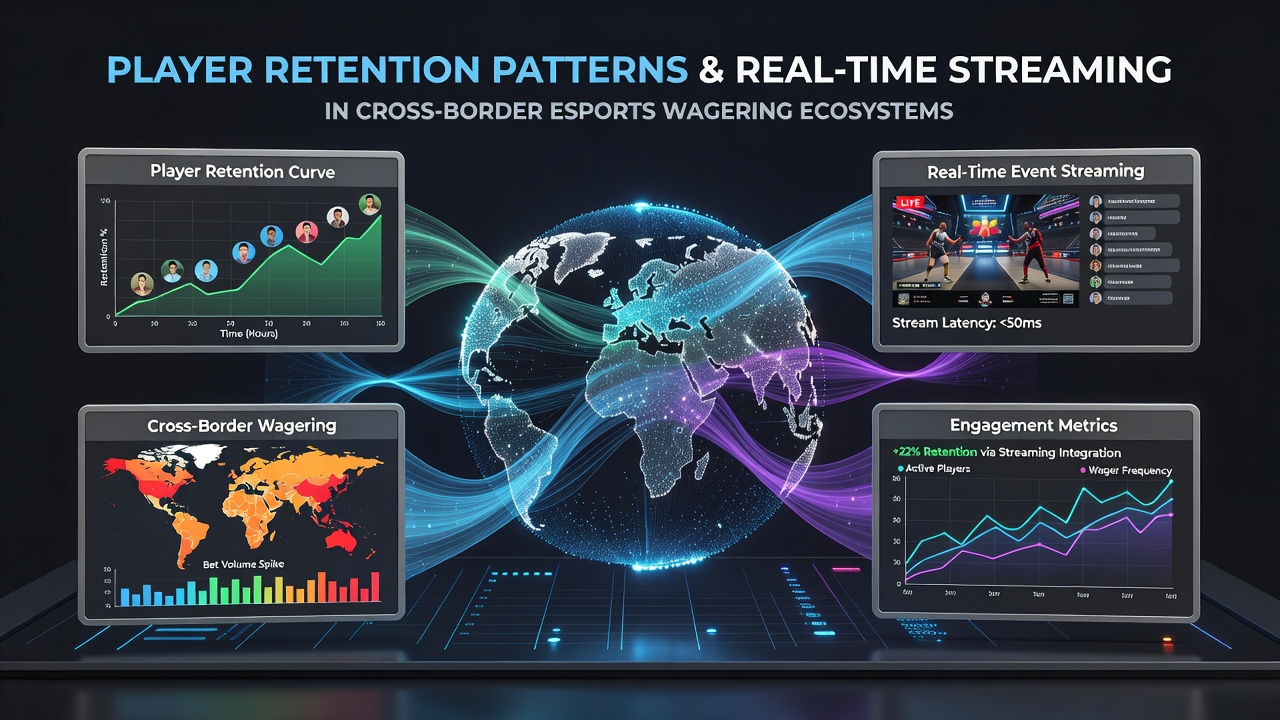
Real-time event streaming has become a central component in cross-border esports wagering ecosystems where operators integrate live video feeds with betting interfaces to maintain continuous player engagement, and data collected through mid-2026 shows measurable shifts in session lengths and return rates when these features operate across different regulatory jurisdictions.
Integration of Streaming Technology with Betting Platforms
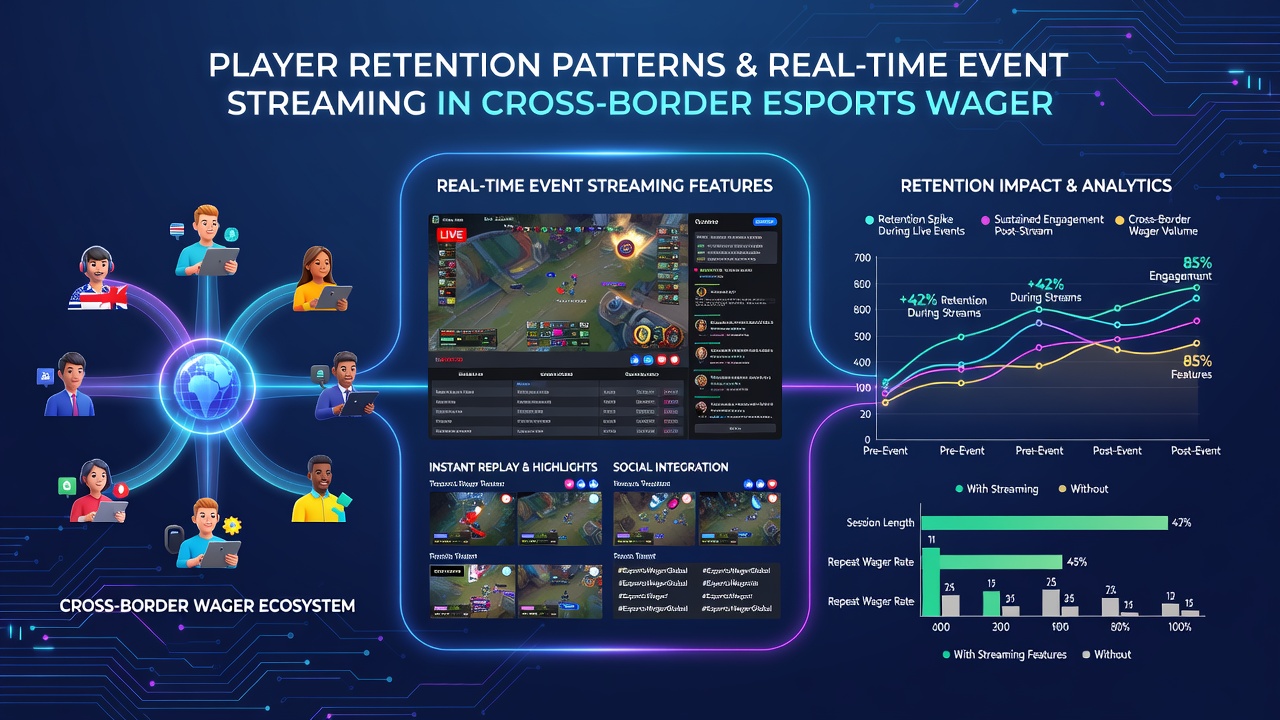
Operators in regions spanning Asia, Europe, and North America have adopted synchronized streaming protocols that deliver match footage with sub-second latency while updating odds in parallel, and this technical alignment allows bettors to place wagers without leaving the viewing window. Platforms route traffic through content delivery networks optimized for low-latency regions, which reduces drop-offs during peak tournament hours such as those observed in June 2026 when major League of Legends and Counter-Strike events overlapped across time zones. Regulatory filings from several markets indicate that platforms offering embedded streams record higher average session durations compared with those relying solely on static scoreboards or delayed highlights.
Retention Metrics Across Jurisdictions
Analysis of anonymized transaction logs from licensed operators reveals that users exposed to real-time streams exhibit return visit rates approximately 18 to 24 percent higher than non-stream users within the same seven-day window, according to aggregated figures compiled by the European Gaming and Betting Association. Cross-border players who access streams from multiple countries show even stronger patterns, with repeat engagement extending across different licensing regimes because the visual continuity compensates for occasional regulatory differences in payout timing or bonus structures. Researchers tracking user cohorts note that retention curves flatten less steeply when live footage remains uninterrupted, particularly during extended tournament brackets that span several days.
Behavioral Patterns Observed in Multi-Region Data
Players frequently switch between mobile and desktop interfaces while following a single stream, yet retention remains stable when the feed persists across devices through account-linked sessions. In markets where cross-border access requires additional verification layers, operators that maintain consistent streaming quality report lower abandonment during the compliance steps. Data collected through the first half of 2026 further indicates that viewers who interact with in-stream betting prompts, such as quick-swap odds overlays, generate more frequent deposits than those who navigate away to separate betting terminals. These patterns hold across varying stake sizes and game titles, suggesting the streaming layer itself functions as a retention anchor rather than merely an ancillary feature.
Technical and Regulatory Influences on Stream-Driven Retention
Bandwidth variability between countries can interrupt streams and erode the retention gains, which prompts operators to implement adaptive bitrate adjustments that prioritize betting-related overlays even when video resolution drops. Licensing requirements in certain jurisdictions mandate geo-fencing of live content, yet operators circumvent user friction by offering alternative low-bandwidth data visualizations that preserve core betting functionality. Reports submitted to Canadian provincial regulators in spring 2026 documented fewer account closures among users whose streams adapted automatically to network conditions compared with those encountering hard cutoffs. Meanwhile, academic reviews of transaction velocity in portable wagering networks highlight that synchronized streams correlate with steadier deposit intervals, reducing the clustering of activity around major match starts and finishes.
Cross-Border User Flow and Platform Adaptations
Users traveling or residing temporarily in different regulatory zones often maintain accounts across multiple licensed entities, and streaming continuity helps bridge these fragmented experiences. When a platform detects a change in IP jurisdiction mid-session, it can hand off the stream to a partner operator while preserving the same match feed and active bets. This handoff mechanism, tested extensively ahead of the June 2026 esports calendar, contributed to sustained activity levels where earlier systems had recorded sharp declines at border crossings. Observers tracking these migrations note that retention improves most noticeably when metadata such as bet history and live odds travel alongside the video stream rather than resetting upon re-authentication.
Conclusion
Real-time event streaming continues to shape retention outcomes in cross-border esports wagering by anchoring user attention through uninterrupted visual context and synchronized betting tools. Patterns documented through 2026 demonstrate that technical reliability, regulatory adaptability, and seamless cross-jurisdiction handoffs collectively determine whether streaming features translate into longer-term player loyalty across diverse markets.