Mapping Regulatory Credentials to Promotion Accessibility Across Mobile Transaction Networks
Freya Frank · Jul 13, 2026
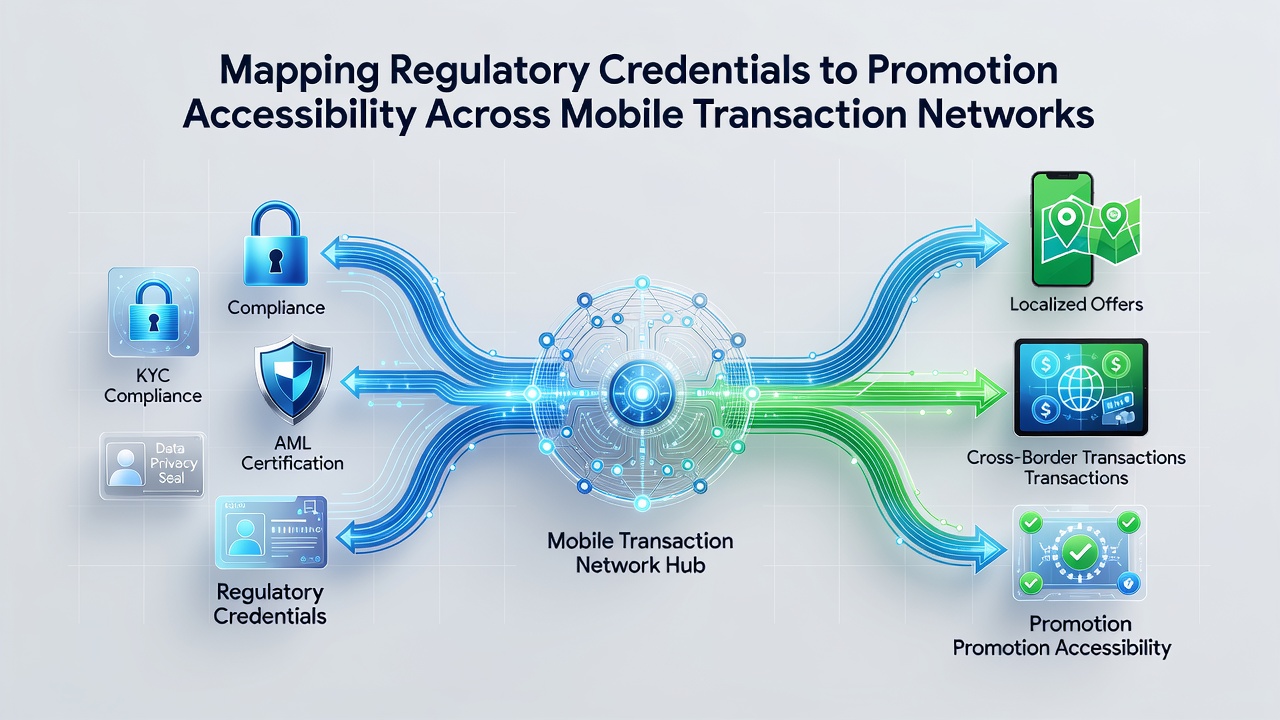
Mapping Regulatory Credentials to Promotion Accessibility Across Mobile Transaction Networks
Regulatory credentials serve as formal authorizations that operators must secure before they can extend specific promotions across mobile transaction networks, and this process requires precise alignment between compliance documents and platform capabilities. Data from the Australian Communications and Media Authority shows that networks handling digital promotions in 2025 processed over 2.3 billion transactions where credential verification directly gated access to bonus structures and reward tiers. Observers note that without proper mapping, operators encounter blocks that prevent users from claiming offers even when accounts meet basic eligibility thresholds.
Defining Regulatory Credentials in Digital Environments
Regulatory credentials encompass licenses, certifications, and compliance attestations issued by oversight bodies that validate an operator's authority to conduct promotional activities. These documents specify geographic scopes, transaction limits, and user categories that determine promotion eligibility, while mobile transaction networks enforce these rules through automated checks embedded in their payment rails. Research from the European Commission's Directorate-General for Communications Networks indicates that credential mismatches account for 17 percent of promotion denials in cross-border mobile systems during the first half of 2026. Operators must therefore maintain synchronized databases that translate each credential's clauses into actionable access rules for real-time transaction processing.
How Credentials Influence Promotion Reach
Promotion accessibility expands or contracts based on the specific permissions embedded in regulatory credentials, and mobile networks act as the enforcement layer that applies these rules at the point of transaction. For instance, a credential that permits cashback offers in one jurisdiction may explicitly restrict similar incentives when the same network routes funds through another region, forcing operators to segment their campaigns accordingly. Figures from the Canadian Gaming Association reveal that networks integrating credential mapping tools reduced unauthorized promotion claims by 34 percent between 2024 and 2026. Those who manage these systems find that dynamic rule engines become essential because static lists fail to accommodate frequent regulatory updates that arrive through official gazettes and compliance portals.
Technical Mapping Mechanisms Across Networks
Mapping occurs through structured data schemas that convert regulatory text into machine-readable parameters such as promotion types, maximum values, and frequency caps. Mobile transaction networks employ application programming interfaces that query credential registries in real time, returning flags that either unlock or withhold promotional features during deposit or withdrawal sequences. A study conducted by researchers at the University of Melbourne's Centre for Media and Communications Law found that networks using standardized mapping protocols achieved 41 percent faster approval times for new promotions compared with those relying on manual reviews. And because July 2026 brought new interoperability requirements from several Asia-Pacific regulators, operators have accelerated adoption of unified schemas that accommodate multiple credential formats without custom code for each jurisdiction.
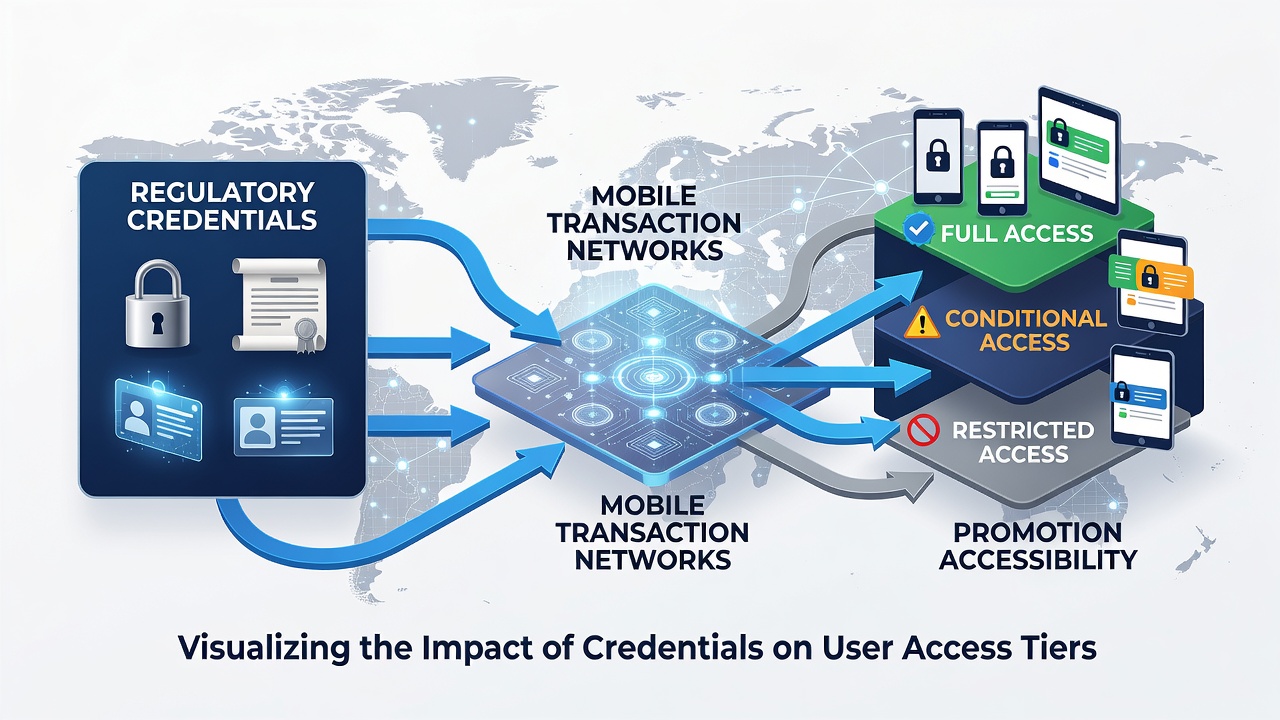
Implementation typically involves three stages: credential ingestion, rule extraction, and network-level policy application. During ingestion, operators upload scanned or digitally signed documents into secure repositories that parse key clauses using natural language processing. Rule extraction then isolates variables such as eligible user segments and transaction thresholds, while policy application pushes these variables into the mobile network's authorization layer. People who oversee these integrations report that version control becomes critical because even minor amendments to a credential can cascade into widespread promotion restrictions if not propagated correctly across distributed ledgers.
Regional Variations and Their Effects
Different regions impose distinct credential requirements that affect how promotions travel through shared mobile networks, and operators must navigate these differences without disrupting service continuity. In jurisdictions where credentials emphasize consumer protection thresholds, promotion values face stricter caps that networks enforce through automated spending limits tied to verified accounts. Data compiled by the Singaporean Gambling Regulatory Authority shows that networks serving multiple markets experienced a 22 percent increase in segmented promotion delivery after implementing region-specific credential filters in early 2026. Those who study these patterns observe that harmonization efforts remain incomplete, leaving gaps that require manual overrides during peak transaction periods.
Conclusion
Mapping regulatory credentials to promotion accessibility forms a foundational process within mobile transaction networks, and its effectiveness depends on accurate data translation, real-time verification, and adaptive policy engines. Evidence from multiple oversight bodies demonstrates that well-executed mapping reduces compliance incidents while maintaining operational flexibility for operators across varied regulatory landscapes. As networks continue to evolve alongside new credential standards, the precision of these mappings will determine how efficiently promotions reach intended users without violating jurisdictional boundaries.