How Verification Timelines Shape Reward Availability in Smartphone-Based Live-Action Platforms
Rosa Sullivan · Aug 8, 2026
How Verification Timelines Shape Reward Availability in Smartphone-Based Live-Action Platforms
Smartphone-based live-action platforms combine real-time event streaming with interactive wagering features, and verification timelines directly determine when users gain access to accumulated rewards. These systems require identity checks that range from automated document scans to multi-step manual reviews, each adding distinct delays before reward balances become usable. Operators integrate these processes into app workflows to meet regulatory standards across multiple jurisdictions, yet the speed of completion varies based on submission quality and system load.
Core Components of Verification Procedures
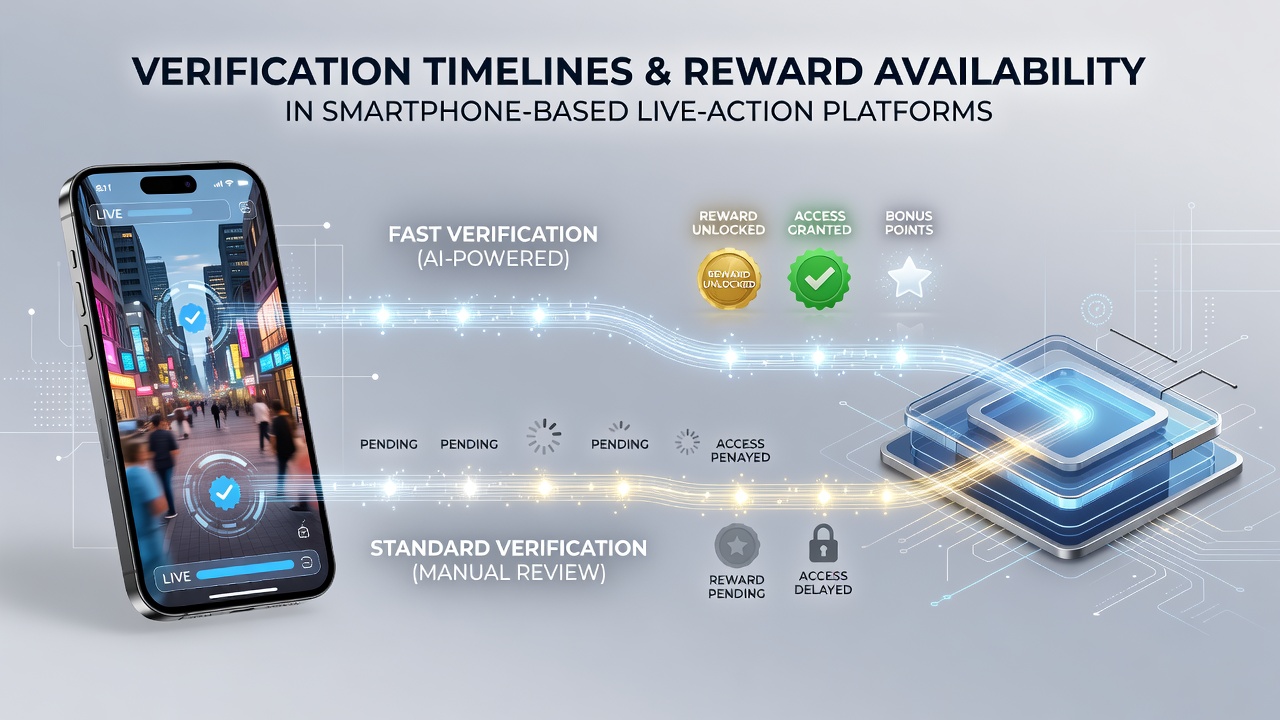
Verification begins when users upload government-issued identification and proof of address through secure app portals, after which algorithms cross-reference details against external databases. Automated approvals often conclude within minutes when data matches existing records, whereas flagged submissions trigger human review that extends timelines from several hours to multiple business days. Platform operators maintain separate queues for high-volume periods, and August 2026 saw elevated submission rates during major international sporting events that further stretched processing windows.
Data from regulatory filings indicates that incomplete uploads account for roughly 40 percent of extended delays, prompting many services to implement real-time feedback prompts that guide users toward clearer image capture. Those who studied these patterns note that platforms employing AI-assisted pre-screening reduce average verification duration by up to 60 percent compared with manual-only systems, allowing reward activation to occur sooner after initial deposit confirmation.
Direct Effects on Reward Release Schedules
Reward availability hinges on verification completion because most platforms withhold bonus funds and loyalty points until identity confirmation clears compliance thresholds. Users who complete verification on the same day of registration typically unlock promotional credits within 24 hours, while those requiring additional documentation experience holds that last three to seven days. Transaction logs from multiple operators show that verified accounts receive instant reward crediting upon event outcomes, whereas unverified ones accumulate balances that remain inaccessible until the process finishes.
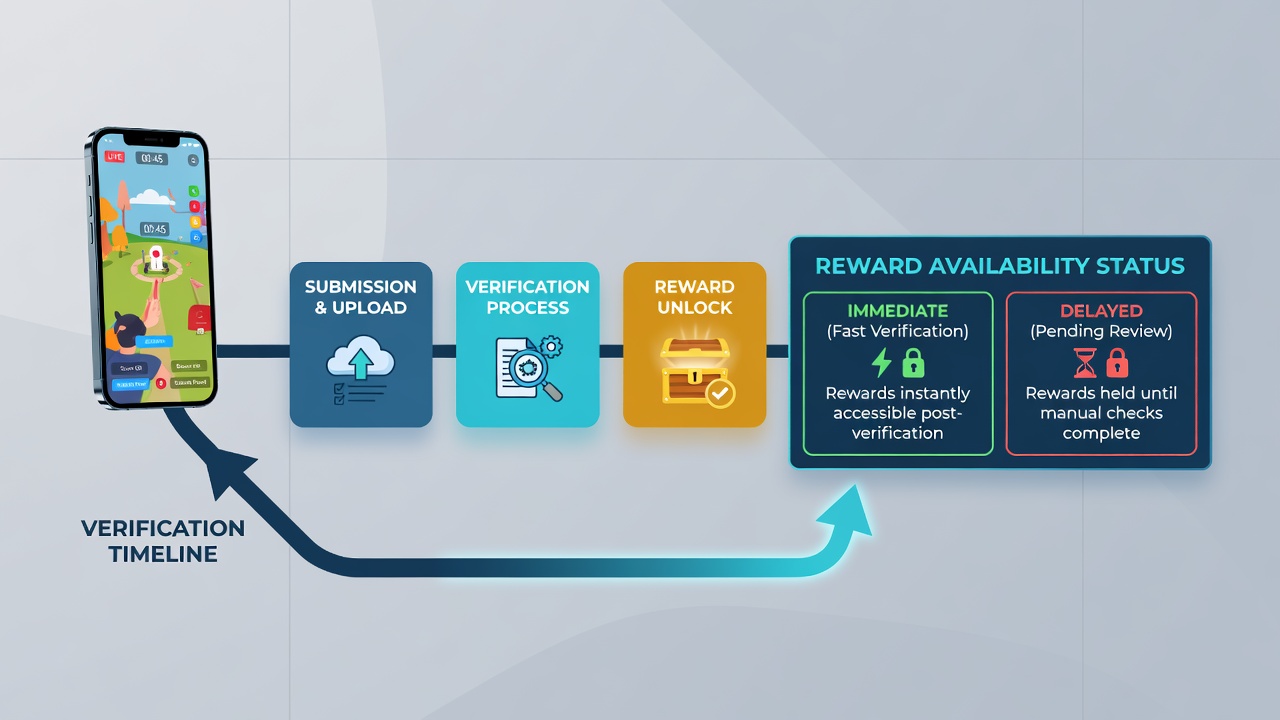
Live-action features such as in-play betting and augmented-reality overlays generate frequent micro-rewards that compound quickly, yet these amounts stay frozen behind verification gates. Researchers discovered through platform analytics that faster verification correlates with higher session continuation rates, because participants can immediately reinvest or withdraw smaller wins without interruption. In contrast, prolonged checks lead to reward expiration in some cases where time-limited offers lapse before approval arrives.
Regional Regulatory Influences on Processing Speed
Rules established by the Canadian Gaming Association require operators to complete identity checks within defined windows that vary by province, directly shaping how quickly rewards appear in user wallets. Australian frameworks administered through the Australian Communications and Media Authority impose similar standards but emphasize ongoing monitoring that can trigger re-verification after significant account activity. These differing approaches produce noticeable gaps in reward liquidity between regions, with some markets achieving same-day approvals while others routinely extend timelines into the following week.
Platform engineers adjust backend systems to align with each jurisdiction's requirements, often routing submissions through localized verification partners that maintain faster turnaround during peak hours. Observers note that integration of biometric options such as facial recognition has shortened average processing times in markets that permit such methods, creating more predictable reward availability for frequent users.
Technical Factors Affecting Timeline Variability
Network conditions on user devices influence upload success rates, and slower connections frequently result in partial submissions that restart the entire verification sequence. App updates released in mid-2026 introduced compression tools that reduce file sizes without quality loss, cutting transmission errors by nearly a third according to internal metrics shared by several providers. Peak traffic during live events also strains server capacity, prompting operators to prioritize existing verified accounts for reward distribution while new verifications queue in the background.
Third-party service integrations play a measurable role as well, because platforms relying on single verification vendors face bottlenecks when those partners experience outages. Diversified partnerships across multiple vendors have emerged as a common mitigation strategy, allowing automatic failover that keeps overall timelines stable even during isolated disruptions.
Conclusion
Verification timelines remain a central determinant of reward accessibility across smartphone-based live-action platforms, with each stage of the process introducing variables that operators and users must navigate. Regulatory frameworks in different regions continue to set baseline expectations, while technical enhancements gradually compress processing windows. Those who track these systems report that continued refinement of automated checks and regional compliance alignment will shape future reward flow patterns, particularly as live-event volumes grow through the remainder of 2026.