How Partnership Agreements Between Payment Processors and Gambling Operators Influence Fee Structures
Bianca Meier · May 27, 2026
How Partnership Agreements Between Payment Processors and Gambling Operators Influence Fee Structures
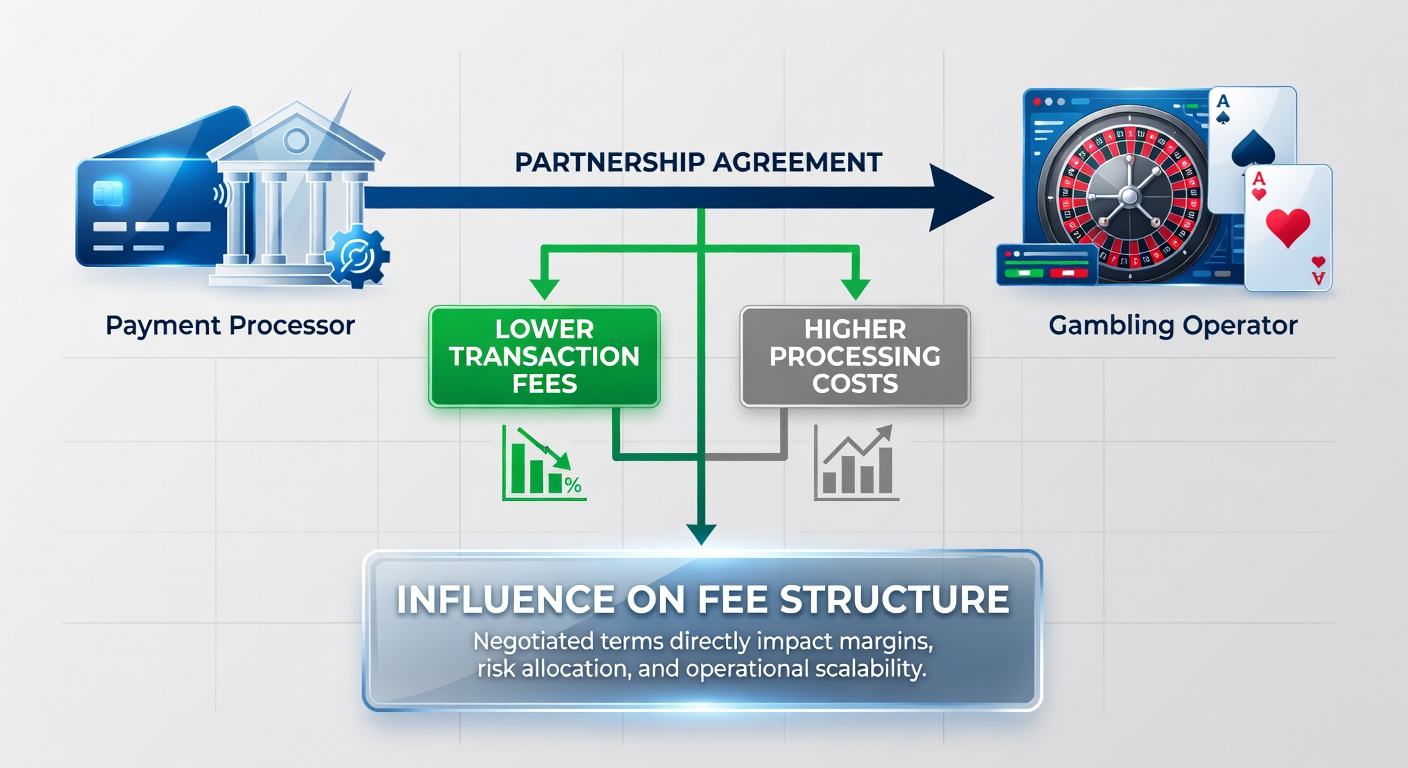
Partnership agreements between payment processors and gambling operators establish the financial terms that govern transaction processing, and these contracts directly determine the fee percentages applied to deposits and withdrawals across online platforms. Operators in regulated markets negotiate these deals to manage costs associated with high-risk transactions while processors seek stable revenue streams through volume commitments and compliance standards.
Core Elements of These Agreements
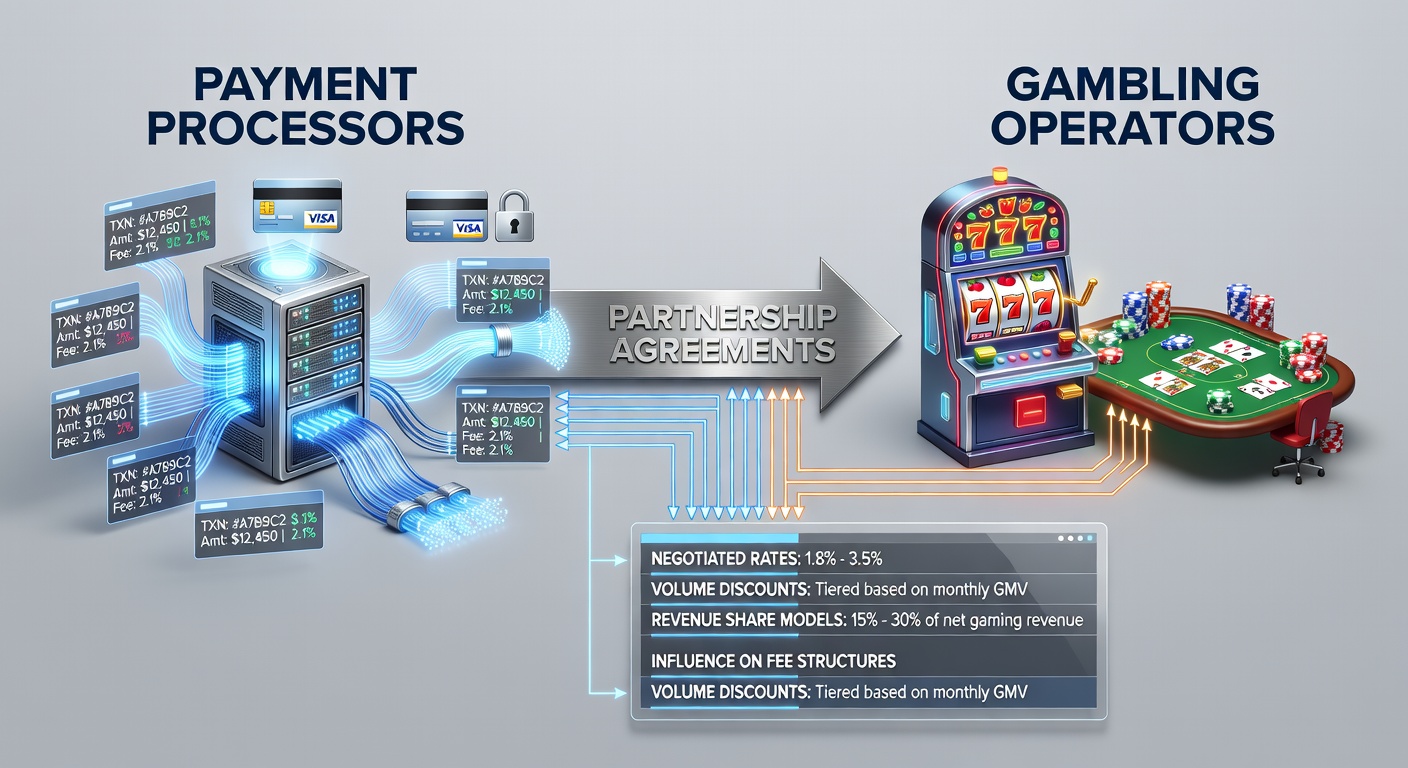
Agreements typically outline base transaction fees that range from 1.5 to 4 percent depending on payment method and jurisdiction, yet they also incorporate volume-based discounts that lower rates once operators exceed certain monthly thresholds. Risk-sharing provisions appear frequently in these contracts, and they allocate responsibility for chargebacks between the parties so that operators absorbing more liability often secure reduced processor margins. Exclusivity clauses further shape outcomes because operators who commit to a single processor for all transactions receive preferential pricing in exchange for predictable revenue flows.
Regulatory compliance requirements embedded in the agreements add another layer of influence since processors demand adherence to know-your-customer protocols and anti-money laundering checks that increase operational expenses. Those costs pass through to fee structures when operators fail to meet baseline standards, and data from industry reports shows that operators with robust internal controls negotiate better terms overall.
Fee Adjustments Driven by Transaction Volume and Risk Profiles
High-volume operators in established markets such as parts of North America and Australia often secure tiered pricing models where fees drop after crossing specific thresholds like 10 million dollars in monthly processing. These structures reward scale and encourage operators to consolidate processing with fewer partners. Risk profiles tied to player demographics and game types also factor into negotiations, whereas sportsbooks handling lower-volatility bets tend to achieve more favorable rates than those focused on casino games with higher dispute rates.
Payment method selection within the agreements plays a significant role because credit card transactions carry higher baseline fees than e-wallets or bank transfers, and contracts frequently include incentives for operators to steer players toward lower-cost options. One study from a Canadian research institute revealed that operators who diversify methods while maintaining processor partnerships see average fee reductions of up to 0.8 percentage points over two years.
Regional Regulatory Influences on Contract Terms
Frameworks in different jurisdictions affect how agreements form because licensing bodies require transparent fee disclosures that limit hidden charges. In May 2026, several Australian state regulators plan to introduce updated reporting standards for payment partnerships, and these changes will require operators to document how fee structures align with consumer protection guidelines. Similar developments in select European markets have already prompted processors to revise contract templates to include clearer breakdowns of interchange fees and settlement timelines.
Observers note that operators operating across borders face additional complexity when agreements must satisfy multiple regulatory regimes simultaneously. Contracts often include jurisdiction-specific addendums that adjust fees based on local tax obligations and reserve requirements, and this layered approach prevents unexpected cost spikes while ensuring compliance across regions.
Impact on Payout Speeds and Player Experience
Fee structures negotiated in these partnerships influence how quickly operators can process withdrawals because higher margins sometimes fund faster settlement services. Processors that receive guaranteed volumes through agreements invest in dedicated infrastructure for gambling clients, which reduces processing times from several days to under 24 hours in many cases. Data indicates that operators with optimized contracts maintain competitive edges by offering instant payout options without increasing overall costs passed to players.
Case examples from North American markets show operators renegotiating terms after initial agreements to incorporate performance bonuses tied to low chargeback ratios, and these adjustments create ongoing incentives for both sides to maintain efficient operations.
Emerging Trends in Partnership Models
Blockchain-based processors have begun entering traditional agreements with gambling operators, and their fee models often emphasize fixed per-transaction costs rather than percentage-based charges. This shift appeals to operators managing large transaction volumes because it provides cost predictability. Industry analyses from academic sources highlight that hybrid agreements combining traditional processors with newer technologies allow operators to balance security features with competitive fee rates.
Long-term contracts spanning three to five years now include clauses for periodic fee reviews that account for technological advancements and market shifts, and these provisions help both parties adapt without full renegotiations. Reports from government agencies in multiple regions confirm that such flexible structures correlate with higher compliance rates and fewer disputes over billing accuracy.
Conclusion
Partnership agreements serve as the foundation for fee structures in gambling payment processing, and they integrate volume commitments, risk allocations, and regulatory requirements into cohesive terms that affect daily operations. Operators and processors continue to refine these contracts as markets evolve, with upcoming regulatory updates in 2026 expected to add further transparency to fee disclosures across key jurisdictions. The resulting frameworks support efficient transaction flows while aligning costs with the specific demands of gambling operations.