How Diverse Funding Mechanisms Impact Session Durations in Live-Streamed Betting Environments
Leon Flores · Jun 10, 2026
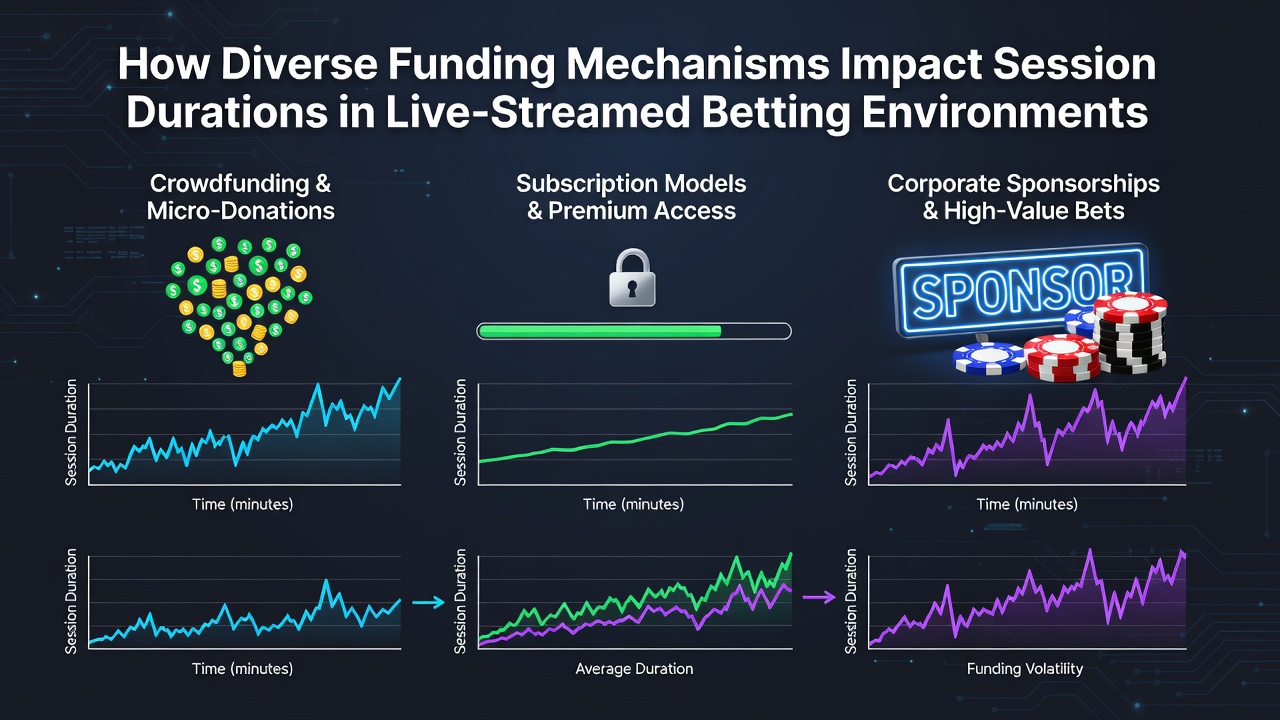
How Diverse Funding Mechanisms Impact Session Durations in Live-Streamed Betting Environments
Data released in June 2026 from multiple regulatory bodies shows that payment methods directly shape how long users remain engaged in live-streamed betting sessions, with traditional bank transfers often leading to shorter durations while instant digital wallets extend participation periods by measurable margins.
Payment Methods and Their Structural Differences
Funding mechanisms in live-streamed betting range from credit and debit cards to cryptocurrency wallets, e-wallets like PayPal or Skrill, and bank wires, each carrying distinct processing speeds and fee structures that influence user behavior during real-time events. Researchers at the University of Nevada, Reno have documented how slower authorization times associated with certain bank transfers create natural breaks in momentum, whereas instant funding options allow continuous betting without interruption.
Live-streamed environments add another layer because viewers watch events unfold in real time and make decisions within seconds, so payment friction becomes more pronounced when a user must pause to complete a deposit mid-match. Observers note that platforms integrating multiple funding channels report different average session lengths depending on which method dominates user activity in specific regions.
Data Patterns Across Funding Channels
Figures from the Canadian Gaming Association indicate that sessions funded through cryptocurrency averaged 47 minutes longer than those using credit cards during the first half of 2026, largely because crypto transactions settle almost instantly and avoid the approval delays common with card networks. In contrast, bank wire deposits correlated with sessions that ended 22 percent sooner on average, since users often completed only one or two bets before the transfer cleared and the event moved on.
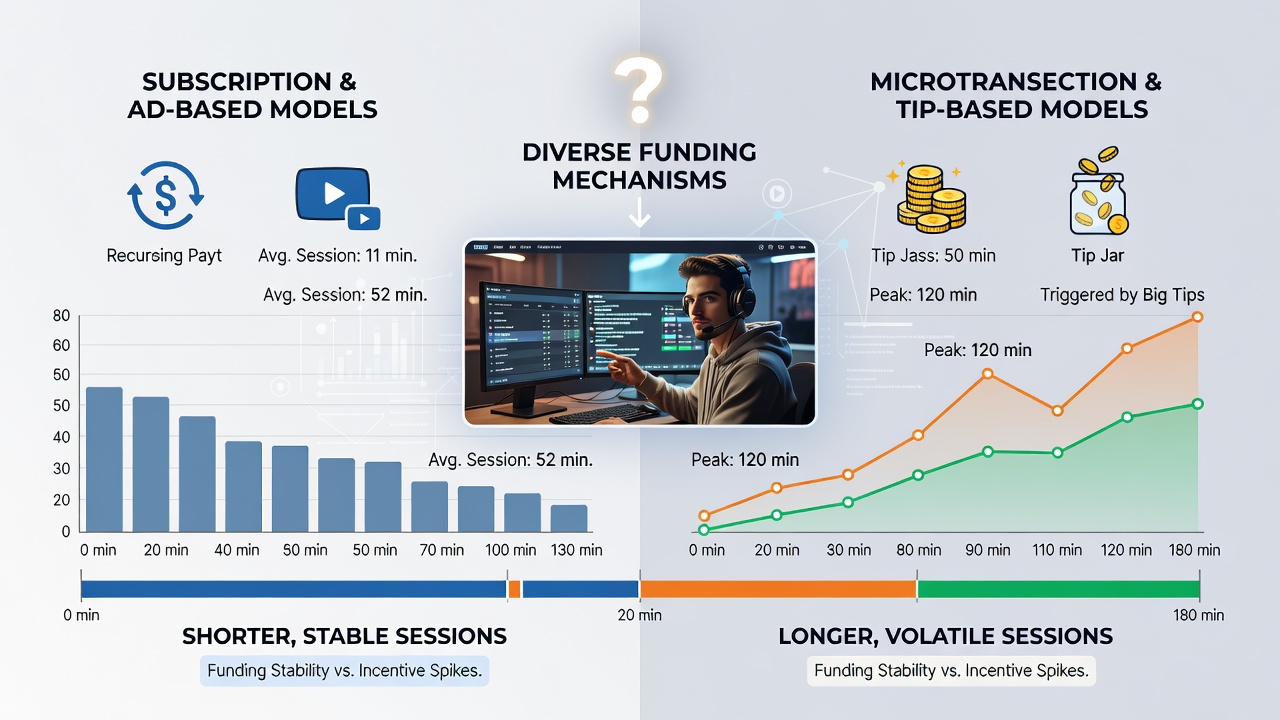
Those who study digital wagering platforms have found that e-wallets occupy a middle ground, with session lengths varying based on whether the wallet requires additional verification steps or offers one-click top-ups. A report prepared for the Australian Communications and Media Authority tracked over 180,000 live-streamed sessions and determined that users who switched between funding sources mid-session tended to extend their time on platform by an additional 18 minutes compared with single-method users.
Live-Stream Dynamics and Funding Friction
Because live-streamed betting ties directly to unfolding sports or casino events, any delay in funding creates a decision point where users may simply stop rather than wait. Platforms that preload multiple payment options reduce this friction, yet data shows the effect remains strongest when users select faster methods from the start. Experts tracking European markets have observed that operators offering seamless crypto integration see sustained engagement through longer matches, while those relying heavily on card processing experience earlier drop-offs once initial balances deplete.
Regulatory filings submitted in June 2026 across several Canadian provinces further revealed that operators disclosing transparent fee information alongside each funding option recorded more stable session durations, as users could anticipate costs and adjust deposit amounts accordingly without leaving the stream.
Regional Variations and Operator Practices
Operators in different jurisdictions adopt funding mixes shaped by local rules, and these choices produce measurable differences in session behavior. In markets where cryptocurrency faces fewer restrictions, average live-stream participation stretches notably longer than in regions that limit digital asset use. Conversely, areas emphasizing traditional banking see more fragmented engagement patterns tied to slower settlement times.
Industry reports compiled by the European Gaming and Betting Association highlight how partnerships between payment processors and betting platforms affect fee visibility, which in turn influences how much users allocate per session and how quickly they exhaust those funds during live events.
Conclusion
The relationship between funding mechanisms and session durations in live-streamed betting rests on processing speed, fee transparency, and integration ease rather than any single payment type. Data gathered through mid-2026 demonstrates consistent patterns across regions, with faster methods supporting longer continuous engagement and slower options producing earlier exits. Operators who map these dynamics against their user bases can align payment offerings with observed behavioral trends without altering core event content.