How Cross-Border Data Protocols Reshape Bonus Tier Structures in Esports-Focused Mobile Platforms
Bianca Meier · Aug 22, 2026
How Cross-Border Data Protocols Reshape Bonus Tier Structures in Esports-Focused Mobile Platforms
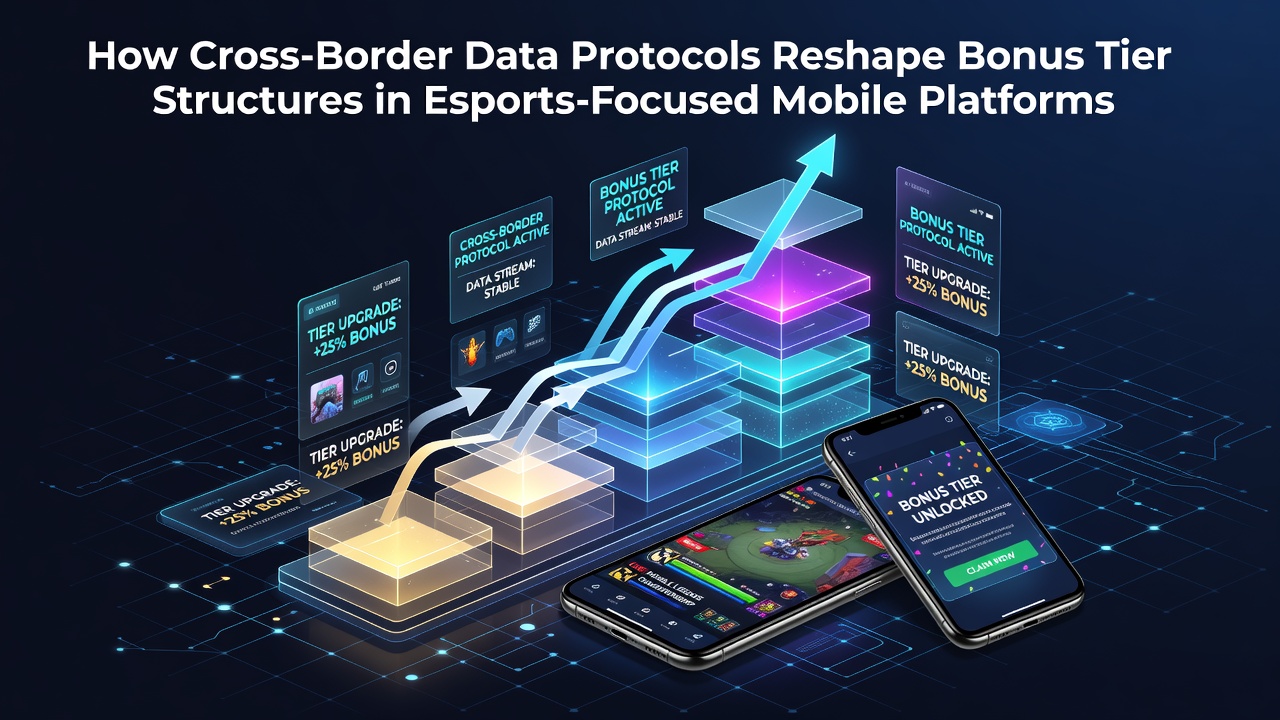
Cross-border data protocols have altered how esports-focused mobile platforms calculate and distribute bonus tiers, since regulations governing international data transfers now dictate the volume and type of user information available for algorithmic processing. Platforms operating across multiple jurisdictions must segment their bonus structures according to consent frameworks and data localization requirements, which in turn affects eligibility thresholds for rewards based on gameplay metrics such as win rates, session duration, and tournament participation.
Data Transfer Rules and Platform Operations
Experts tracking the evolution of data governance note that agreements like the EU-US Data Privacy Framework and similar arrangements in the Asia-Pacific region require explicit user consent before personal performance data crosses borders, and this consent requirement directly influences how mobile platforms aggregate statistics for bonus tier assignments. In practice, platforms now maintain separate data pools for users in different regulatory zones, which prevents unified global leaderboards from feeding into a single bonus calculation engine. Researchers at institutions studying digital economies have documented cases where platforms introduced region-specific tier multipliers after new protocol updates took effect in early 2026.
Those who monitor esports wagering ecosystems observe that data minimization mandates reduce the granularity of cross-border datasets, so platforms compensate by creating tiered bonus models that rely more heavily on localized metrics rather than global comparisons. For instance, a player in one jurisdiction might qualify for higher reward multipliers based solely on domestic tournament results, while the same performance level elsewhere yields lower tiers because supplemental international data remains unavailable.
August 2026 Protocol Updates and Their Effects
Regulatory bodies in several regions finalized additional data protocol amendments during August 2026, and these changes prompted immediate adjustments to bonus tier algorithms on major esports mobile platforms. The updates emphasized stricter controls on real-time data sharing during live tournaments, which forced operators to recalibrate how they verify player achievements across national boundaries. Figures from industry reports indicate that platforms reduced the number of global bonus tiers by an average of 22 percent following these amendments, while increasing the variety of localized reward structures.
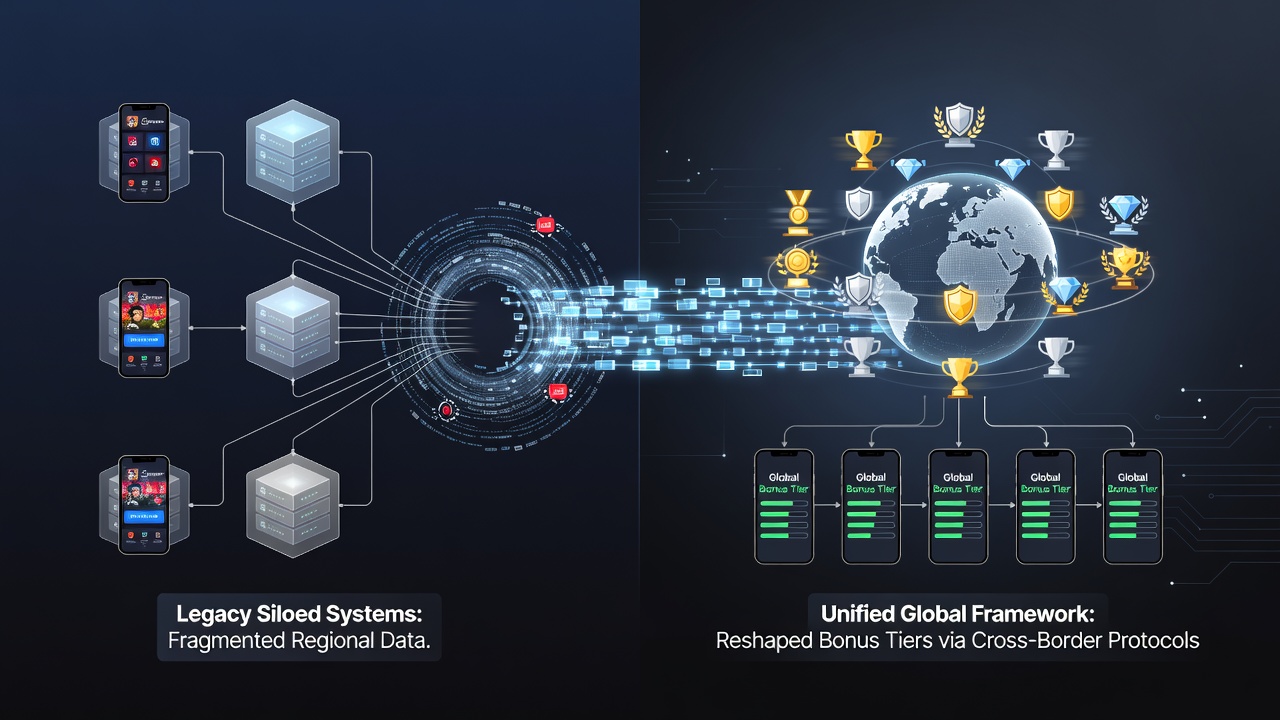
Platforms responded by developing modular bonus engines that activate different calculation rules depending on the user's registered data jurisdiction, and this modular approach allows operators to remain compliant while still offering competitive reward systems. Observers note that the shift has led to more frequent updates to tier thresholds within individual regions, since platforms can now fine-tune bonuses without needing comprehensive international datasets.
Examples from Leading Platforms
Take the case of one prominent esports mobile operator that restructured its reward system after the August 2026 updates; the company introduced separate bonus ladders for European, North American, and Southeast Asian users, each calibrated according to the volume of permissible data transfers. Another platform adjusted its loyalty multipliers so that cross-border tournament data contributed only when users granted explicit consent, resulting in faster tier progression for those who opted in within compliant jurisdictions. These adaptations demonstrate how data protocols have become a core input in the design of bonus structures rather than a peripheral compliance concern.
Industry organizations such as the Internet Corporation for Assigned Names and Numbers have highlighted the technical challenges of maintaining consistent user experiences under fragmented data rules, while academic studies from Canadian research centers have examined how similar constraints affect reward distribution in competitive gaming environments.
Future Adjustments and Compliance Strategies
Platforms continue to invest in privacy-preserving technologies that allow limited data aggregation across borders without violating protocol requirements, and these tools enable more sophisticated bonus tier models that blend localized and consented international inputs. Data from regulatory filings shows that operators allocating resources toward such technologies have maintained broader tier options compared with those relying on strictly regional datasets. The pattern suggests that ongoing protocol refinements will keep pushing platforms toward increasingly granular, jurisdiction-aware bonus architectures.
Conclusion
Cross-border data protocols have become integral to the architecture of bonus tier systems on esports-focused mobile platforms, driving segmentation, localized calculations, and consent-based multipliers that reflect regulatory boundaries rather than purely competitive metrics. As updates continue to emerge, platforms adapt their reward structures to balance compliance with user engagement goals, producing a landscape where bonus eligibility depends as much on data governance as on in-game performance.