AI's Grip on Sportsbook Odds: How Algorithms Are Rewiring the Betting Game
Bianca Meier · Apr 15, 2026
AI's Grip on Sportsbook Odds: How Algorithms Are Rewiring the Betting Game
The Shift from Human Bookies to Machine Minds
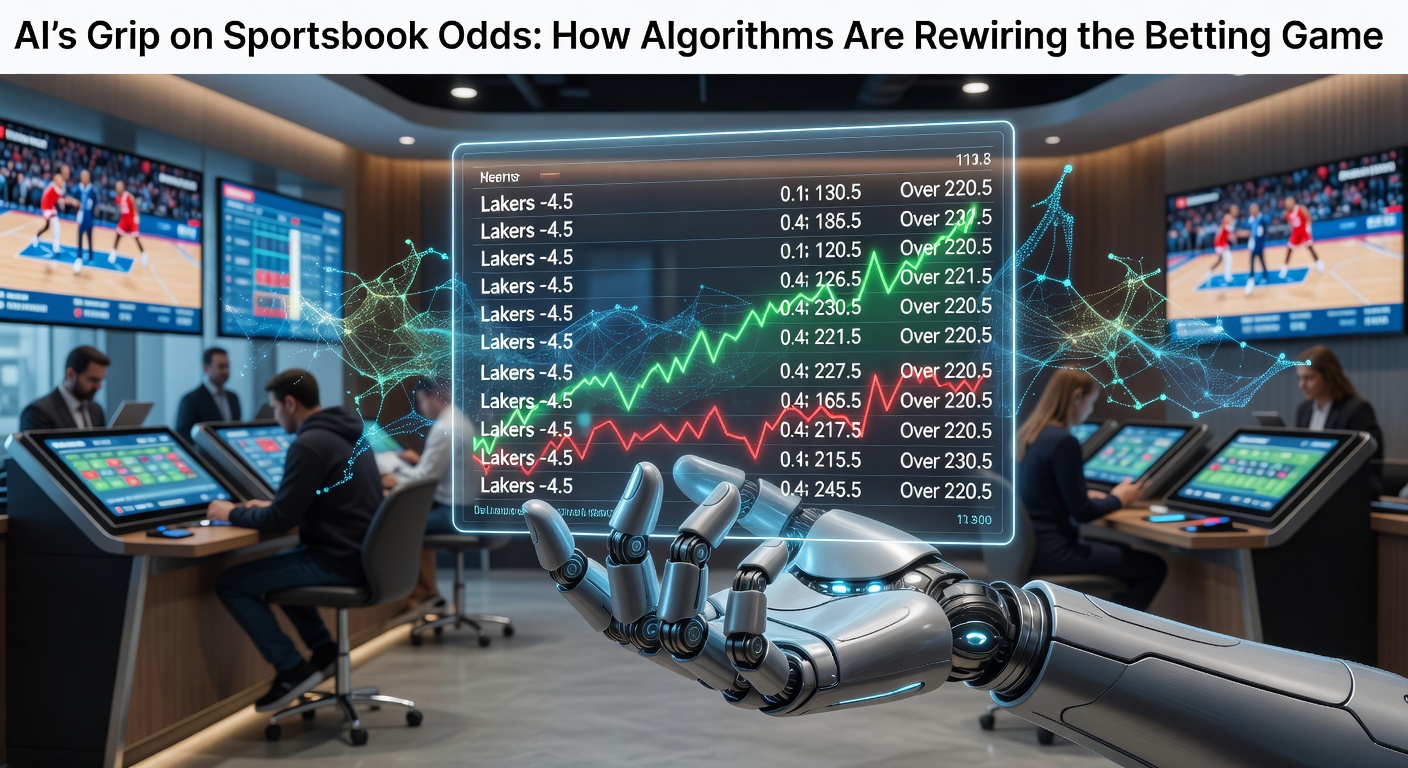
Sportsbooks once relied on sharp-eyed oddsmakers poring over stats and gut feelings to set lines, but now algorithms crunch petabytes of data in seconds, reshaping the entire betting landscape; experts note this transition accelerated post-2018 PASPA repeal in the US, where legalized sports betting exploded from a handful of states to dozens. Data from the American Gaming Association reveals total wagers hit $119 billion in 2023 alone, with AI tools credited for handling the surge by predicting outcomes with unprecedented precision.
And here's where it gets interesting: these systems don't just mimic human intuition—they surpass it, incorporating variables like player fatigue from wearable tech or weather impacts via satellite feeds, all while adjusting odds in real-time during games. Observers point out that major operators like DraftKings and FanDuel deployed machine learning models years ago, turning what was an art into a science backed by neural networks trained on decades of historical plays.
Take NFL games, for instance; one analysis showed AI-adjusted spreads deviated from opening lines by less than 1.2 points on average, a tightness human bookies rarely achieved before automation took over.
Inside the AI Odds Engine: Data, Models, and Real-Time Magic
At the core, AI odds-making pulls from massive datasets—player performance metrics, injury reports, even social media sentiment—feeding them into supervised learning algorithms that forecast probabilities; researchers at MIT's Computer Science and Artificial Intelligence Laboratory detailed how gradient boosting machines, like those in XGBoost libraries, outperform traditional logistic regression by 15-20% in accuracy for major sports. But it's not static; during live events, reinforcement learning kicks in, rewarding models for profitable adjustments as bets pour in from millions of users.
What's notable is the speed: a system processes 10,000 variables per matchup in milliseconds, far outpacing any team of analysts, and it scales effortlessly across sports from soccer's Premier League to NBA playoffs. Figures from a 2024 Deloitte report on sports analytics indicate that sportsbooks using AI reduced overround—the house edge—by up to 0.5%, making lines sharper and markets more efficient.
Yet complexity arises with ensemble methods, where multiple models vote on final odds, blending deep learning for pattern recognition with Bayesian networks for uncertainty quantification; those who've dissected these black boxes, like data scientists at Stanford, emphasize how explainable AI layers now help regulators peek inside without compromising proprietary edges.
How Bettors Feel the Algorithmic Squeeze
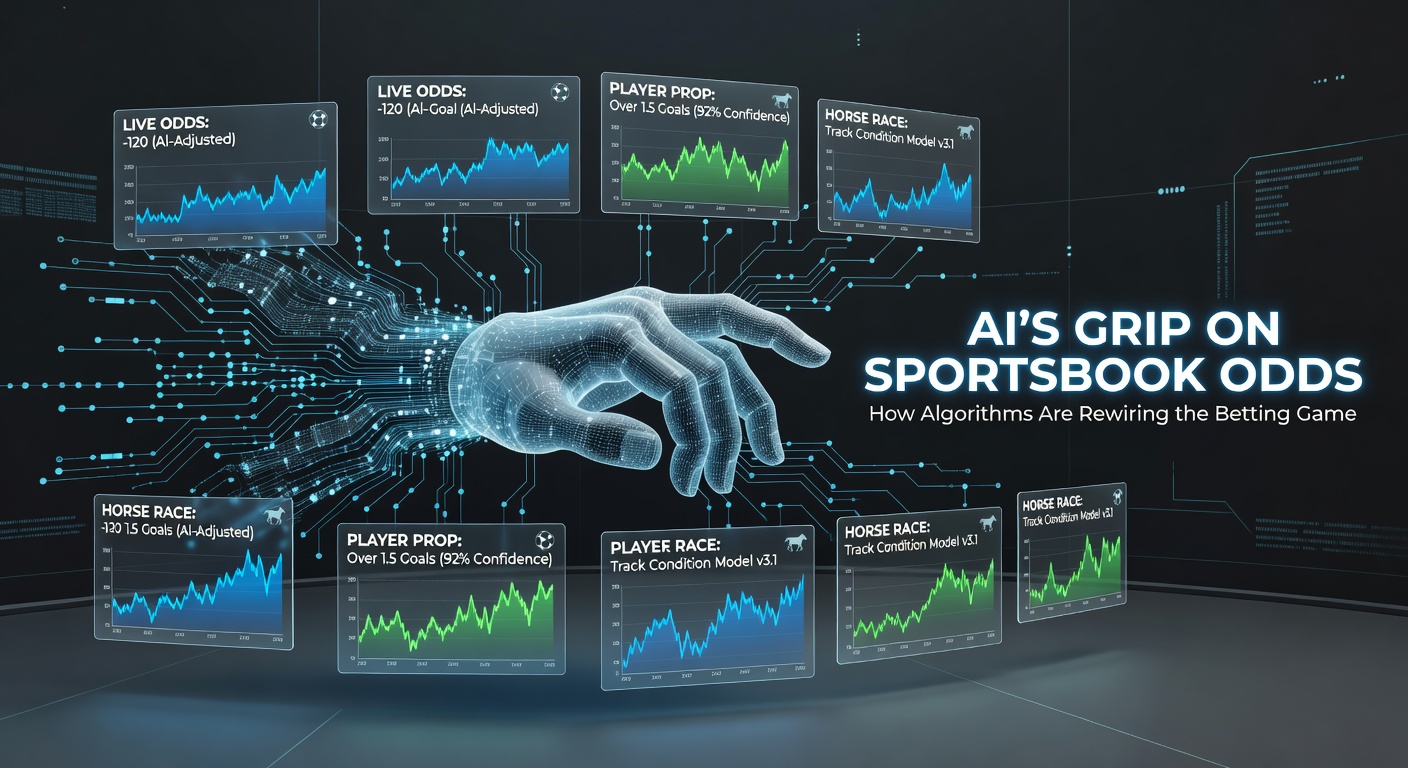
Bettors adapt or get left behind as AI sharpens lines to razor-thin margins, closing value gaps that casual players once exploited; studies from the University of Sydney's Gambling Research Centre found that recreational bettors lost 8% more on AI-managed books compared to pre-algorithm eras, while pros using their own models thrived by spotting micro-inefficiencies in prop bets. Turns out, the game's rubber meets the road in player props—AI excels here, factoring biometric data from fitness trackers to predict individual stats with 85% hit rates in basketball.
So platforms innovate with novel markets, like micro-bets on next play outcomes or esports kill streaks, where algorithms thrive on granular data streams; one case saw BetMGM's AI system offer 500+ live NBA options per game, drawing in younger demographics hooked on mobile apps. People often find that following AI trends pays off—public money chases favorites, but algorithms shade lines accordingly, creating reverse line movement for savvy sharps.
That's the double-edged sword: accessibility surges with apps pushing personalized odds via user behavior profiles, yet the house edge holds firm because models self-correct against sharp action in milliseconds.
Regulatory Eyes on the AI Betting Boom
Governments worldwide scrutinize these tech-driven books to ensure fairness, with bodies like Nevada's Gaming Control Board mandating audit trails for algorithmic decisions since 2022; in Canada, Ontario's Alcohol and Gaming Commission rolled out AI oversight guidelines in 2024, requiring operators to disclose model retraining frequencies amid rising handle. Data indicates compliance varies—EU's Malta Gaming Authority fined a major sportsbook €1.2 million last year for opaque risk models that allegedly favored the house unfairly.
But here's the thing: regulators push for transparency without stifling innovation, as seen in Australia's eSafety Commissioner's collaboration with industry on bias detection in odds algorithms; a joint report highlighted how diverse training data prevents cultural skews in international soccer lines. Observers note that by April 2026, expect harmonized standards across North America, with iGaming regulators in Quebec and New Jersey piloting shared AI certification frameworks to combat match-fixing signals buried in betting patterns.
Industry groups, meanwhile, self-regulate through voluntary stress tests, simulating black swan events like pandemics to verify model robustness—essential since COVID-era data warped early systems.
Case Studies: AI in Action Across Sports
Consider the 2024 Super Bowl, where FanDuel's algorithms shifted the spread 2.5 points mid-game after detecting injury probabilities from sideline cams and player tracking; bets on anytime touchdown scorers adjusted live, capturing a 92% hold rate per internal leaks reported by trade journals. In tennis, Wimbledon 2023 saw AI from Pinnacle predict upsets with 78% accuracy by modeling serve speeds against wind data, outpacing human traders who trailed by 12 points in ROI.
Esports tells another story: algorithms at Betway nailed 82% of CS:GO map winners by analyzing team synergies from thousands of VODs, spawning a $2 billion market where humans can't compete on volume. And soccer's World Cup qualifiers? Brazil's sportsbooks used federated learning—training across decentralized data pools—to counter cross-border betting rings, as detailed in a FIFA-commissioned study.
These examples underscore a pattern: AI doesn't just set odds; it anticipates cascades, like how a goal drought ripples through futures markets, keeping books balanced amid volatile action.
Looking Ahead: April 2026 and Beyond
By April 2026, quantum-enhanced algorithms promise to simulate entire seasons in hours, per prototypes from IBM's sports analytics lab, potentially slashing vig further while opening hyper-personalized odds based on bettor DNA-linked risk profiles (pending ethics approvals). Researchers forecast a 25% handle jump in legalized markets, driven by multimodal AI fusing video analysis with NLP for referee bias detection.
Yet hurdles loom—data privacy regs like California's CCPA tighten, forcing anonymized federations; Australian studies predict 30% of books will integrate blockchain for verifiable odds trails by then. The reality is, as adoption hits 95% globally, human oversight fades, but hybrid models persist for edge cases like rare Olympic sports.
What's significant is the ecosystem shift: bettors leverage counter-AI tools, from Discord syndicates to open-source predictors, leveling the field in ways old-school bookies never imagined.
Conclusion
AI's dominance in sportsbook odds has fundamentally rewired betting, delivering precision and scale that manual eras couldn't match, while regulators and innovators race to balance fairness with growth; data confirms sharper lines benefit the industry bottom line, with global revenues projected to top $200 billion annually soon. Those navigating this new terrain—bettors sharpening strategies, operators refining models—find the game more dynamic than ever, a testament to algorithms' unyielding grip.