Agua Caliente Casino Rancho Mirage Hotel Tower Project Advances Through Staged 2026 Construction Phases
Rosa Sullivan · Jul 1, 2026
Agua Caliente Casino Rancho Mirage Hotel Tower Project Advances Through Staged 2026 Construction Phases
Construction crews continue work on the $60 million renovation of the Agua Caliente Casino Rancho Mirage’s 340-room hotel tower in California, with activity rolling out across multiple phases that extend throughout 2026, according to ongoing construction tracking on the tribal casino property, and no single completion date appears in the most recent updates released so far. The effort centers on the existing tower structure rather than new builds, which allows crews to coordinate room upgrades, common area improvements, and system modernizations without halting all guest services at once. Observers note that such phased scheduling helps maintain partial occupancy while crews address different floors or sections sequentially.
Project Scope and Current Status
Records from the property show that the renovation budget totals $60 million, allocated across the full tower that contains 340 guest rooms, and updates indicate crews have moved into successive stages that will span the calendar year 2026, yet the timeline remains open-ended without a fixed endpoint listed. Tribal gaming properties in California often sequence large-scale work this way because they must balance construction needs against daily operations that include gaming floors, dining outlets, and entertainment venues located on the same campus. Data from similar projects in the region reveals that dividing work into distinct phases reduces the risk of widespread service interruptions while crews handle electrical, plumbing, and interior finish work in targeted areas.
Timeline Details and Phased Approach
Tracking reports confirm that renovation activity will continue in phases throughout 2026, with crews rotating focus among different sections of the tower as each stage wraps up and the next begins, and this method supports ongoing guest access to a portion of the rooms even as other areas undergo full refurbishment. The absence of a specific completion date in the latest information leaves room for adjustments based on material availability, labor coordination, or unforeseen structural considerations that may arise during the process. Those who follow tribal casino developments in California point out that phased timelines also allow property managers to evaluate progress at each step and refine subsequent work based on real-time findings from earlier phases.
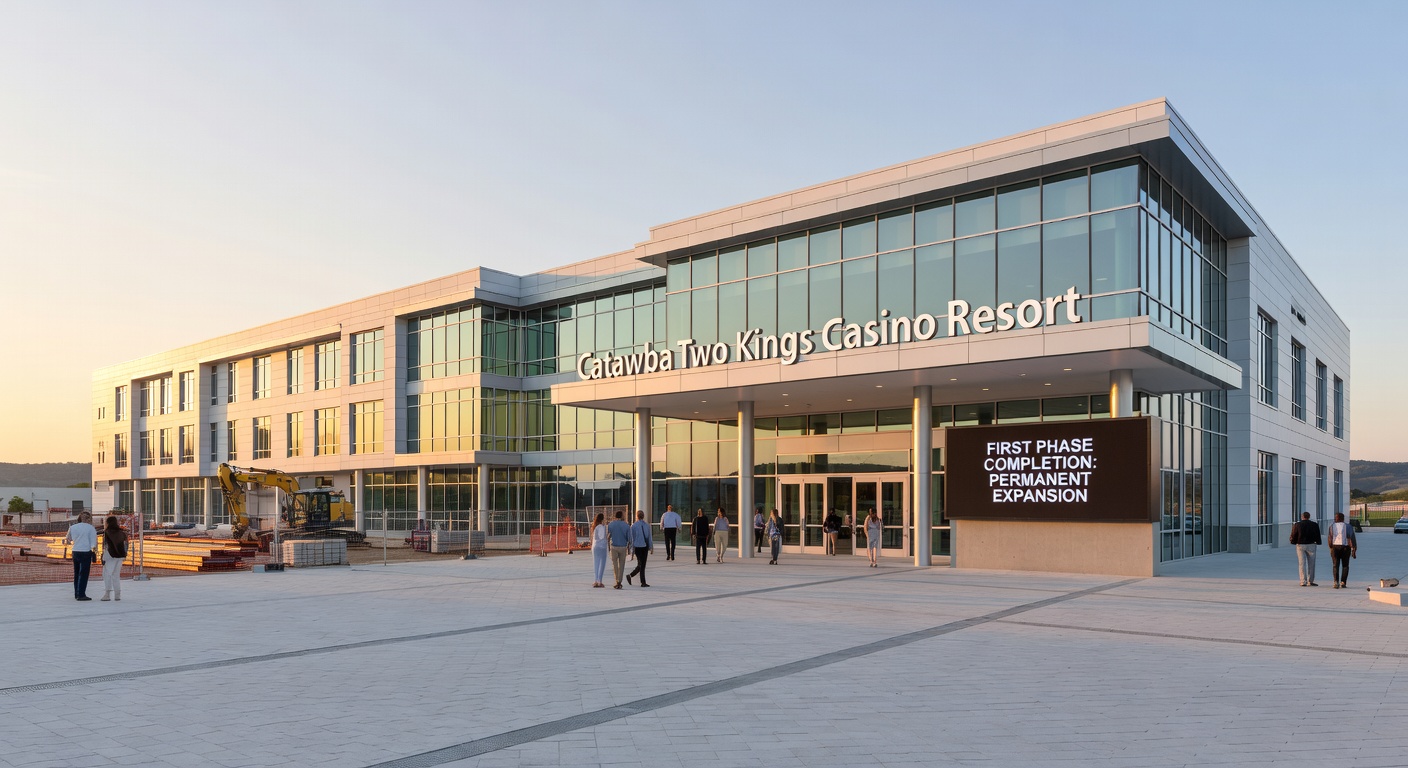
As July 2026 approaches, the project remains active within its established sequence of stages, and site reports continue to show steady movement through the planned phases without indicating any shift to a single finish line. This ongoing status aligns with patterns seen at other California tribal gaming facilities where multi-year improvements unfold in segments to accommodate both regulatory reviews and operational requirements. Researchers tracking hospitality upgrades note that extended timelines like the one described here often incorporate feedback loops, allowing teams to incorporate updated design elements or technology integrations discovered during earlier work.
Operational Considerations During Construction
Property management at the Rancho Mirage location maintains regular guest services across the casino floor and surrounding amenities while the hotel tower work proceeds in stages, which means visitors can still access gaming, dining, and event spaces even as selected rooms undergo updates. The phased structure minimizes the number of rooms offline at any given time, and this approach supports revenue continuity from both lodging and non-lodging operations throughout the 2026 period. Industry reports from the National Indian Gaming Commission highlight how tribal properties frequently adopt similar strategies when undertaking major capital projects to balance construction demands with the need to sustain employment and visitor traffic.
Coordination between construction teams and casino operations staff becomes essential during these extended phases, and updates from the site indicate that such collaboration continues to guide daily decisions about access routes, noise mitigation, and safety protocols around active work zones. The $60 million investment covers interior and systems work across all 340 rooms, yet the absence of a fixed completion date in current tracking allows flexibility for any adjustments that may surface as crews move through later stages of the project. Observers familiar with California tribal gaming note that this level of ongoing monitoring helps ensure compliance with both state compacts and federal oversight requirements that apply to such properties.
Regional Context for Tribal Casino Upgrades
California hosts numerous tribal gaming facilities that periodically undertake large-scale renovations, and the Agua Caliente Casino Rancho Mirage project fits within that broader pattern of sustained capital investment in existing infrastructure. The hotel tower renovation represents one component of property maintenance that supports long-term competitiveness in a market where visitors expect updated accommodations alongside gaming options. According to information compiled by regional industry trackers, phased construction schedules like the one underway here appear across multiple tribal properties because they allow for measured progress without requiring complete shutdowns of revenue-generating areas.
Updates released through construction monitoring channels confirm that the work will extend across 2026 in stages, and this timeline aligns with the operational calendar that includes peak visitor periods when full room availability remains important. The $60 million figure covers the scope of work on the 340-room tower, and the decision to proceed without publishing a single end date reflects standard practice for projects where variables such as supply chain timing or inspection schedules can influence final stages. Those monitoring tribal economic activity in the state point to similar examples where phased approaches have allowed properties to maintain service levels while completing substantial upgrades over multiple calendar years.
Conclusion
The renovation of the Agua Caliente Casino Rancho Mirage hotel tower continues through its scheduled phases in 2026, with the $60 million project advancing across the 340-room structure without a specified final completion date in the most recent tracking data. This approach supports ongoing operations at the tribal property while crews address sections sequentially, and updates from the site indicate steady progress through the established stages. The situation remains consistent with patterns observed at other California tribal gaming facilities that manage large capital improvements alongside daily guest services, and further reports will likely provide additional details as later phases unfold during the remainder of the year.